
Anúncios
Turning your smartphone into a universal remote control app sounds futuristic, but it’s already changing how millions interact with their TVs, air conditioners, and streaming devices daily.
Lost remotes, dead batteries, and clunky universal clickers are quickly becoming relics of the past. A remote control app replaces all of them with a single tool already sitting in your pocket.
Whether you’re managing a smart TV, a soundbar, or even an old-school air conditioner, these apps rely on infrared, Wi-Fi, or Bluetooth signals to mimic traditional remotes — often with extra features baked in. 📱
How a Remote Control App Actually Works#
Most smartphones manufactured after 2015 include an IR blaster or support Wi-Fi-based device communication. A remote control app taps into this hardware to send commands directly to compatible electronics.

There are three main technologies behind these apps:
- Infrared (IR): Works like a traditional remote, requiring line-of-sight with the device.
- Wi-Fi: Connects through your home network, ideal for smart TVs and streaming boxes.
- Bluetooth: Common for soundbars, speakers, and some newer television models.
Not every phone has an IR blaster, though. Apple stopped including this hardware years ago, which is why many iOS-based apps rely heavily on Wi-Fi and Bluetooth instead.
Checking If Your Phone Has an IR Blaster#
Android users can confirm IR compatibility by opening the phone’s built-in remote app (if available) or checking the manufacturer’s specification sheet. Samsung, Xiaomi, and Huawei flagship models frequently include this feature.
If there’s no IR blaster, that’s not necessarily a dealbreaker. Many modern TVs support network-based control, which is often faster and more reliable anyway.
Everyday Benefits That Actually Matter#
Beyond convenience, a universal remote app solves real, recurring problems that frustrate households constantly.
- 🔋 No more replacing AA batteries every few months
- 📺 One single app can control multiple brands and devices
- 🔍 Built-in programming guides for live TV
- 🎮 Volume, power, and channel control without touching the actual remote
- 🧳 Great for travel — works in hotel rooms with compatible TVs
According to a 2023 consumer tech survey by Statista, nearly 68% of smartphone owners admitted losing a physical remote at least once in the past year. That statistic alone explains the growing demand for app-based alternatives.
Comparing Popular Use Cases#
Different households use remote apps for different purposes. Here’s a breakdown of common scenarios and which connection type tends to work best.
| Use Case | Best Connection Type | Typical Setup Time |
|---|---|---|
| Smart TV (Samsung, LG, Sony) | Wi-Fi | 1–2 minutes |
| Older TVs without smart features | Infrared | 2–4 minutes |
| Soundbars and speakers | Bluetooth | 1 minute |
| Air conditioners | Infrared | 2–3 minutes |
| Streaming boxes (Roku, Fire TV) | Wi-Fi | 1–2 minutes |
Air conditioning units tend to require more manual brand selection since there’s no universal signal standard across manufacturers like Gree, LG, or Daikin.
Setting Up a Universal Remote App Step by Step#
Installation is usually straightforward, but a few details make the process smoother and prevent common frustrations.
1. Confirm Device Compatibility First#
Before downloading anything, check your TV or appliance brand against the app’s supported device list. Most apps display this information directly on their store page.
2. Grant the Necessary Permissions#
Remote apps typically need access to:
- Local network connection
- Bluetooth (if applicable)
- Infrared hardware (Android only)
Without these permissions, the app simply won’t detect nearby devices, which is the most common setup issue reported by users.
3. Run the Automatic Device Scan#
Most apps include a scanning feature that detects compatible devices within a few seconds. If scanning fails, manually selecting your brand from a list usually solves it.
4. Test Basic Functions First#
Start with power, volume, and channel buttons before testing advanced features like voice commands or macros. This isolates any connectivity issues early.
Once your phone is set up as a working universal remote control app, you can explore it hands-on by downloading it directly from the store.

Universal TV Remote Control
Installs50M+
Size6GB
PlatformAndroid/iOS
PriceFree
Information about size, installs, and rating may change as the app is updated in the official stores.
Common Problems and Practical Fixes#
Even well-designed apps run into occasional hiccups. Here are the most frequent issues users report and how to resolve them quickly.
| Problem | Likely Cause | Quick Fix |
|---|---|---|
| App doesn’t detect TV | Phone and TV on different networks | Connect both to the same Wi-Fi |
| IR commands not working | No line-of-sight or weak IR blaster | Point phone directly at device |
| Delayed response | Network congestion | Restart router or switch to 5GHz band |
| App crashes on launch | Outdated app version | Update via Play Store or App Store |
Most connectivity problems disappear after a simple restart of either the app or the home router — a fix often overlooked.
Security Considerations Worth Knowing#
Since these apps communicate with devices on your home network, it’s reasonable to ask about privacy and safety. Reputable remote control apps don’t require access to personal files, contacts, or messages.
Here’s what a trustworthy app should request — and nothing more:
- Network access (to find devices)
- Bluetooth permission (if used)
- Infrared hardware access (Android only)
If an app asks for camera access, contact lists, or SMS permissions without clear justification, that’s a red flag worth investigating before installing.
Why Smart Homes Are Accelerating This Trend#
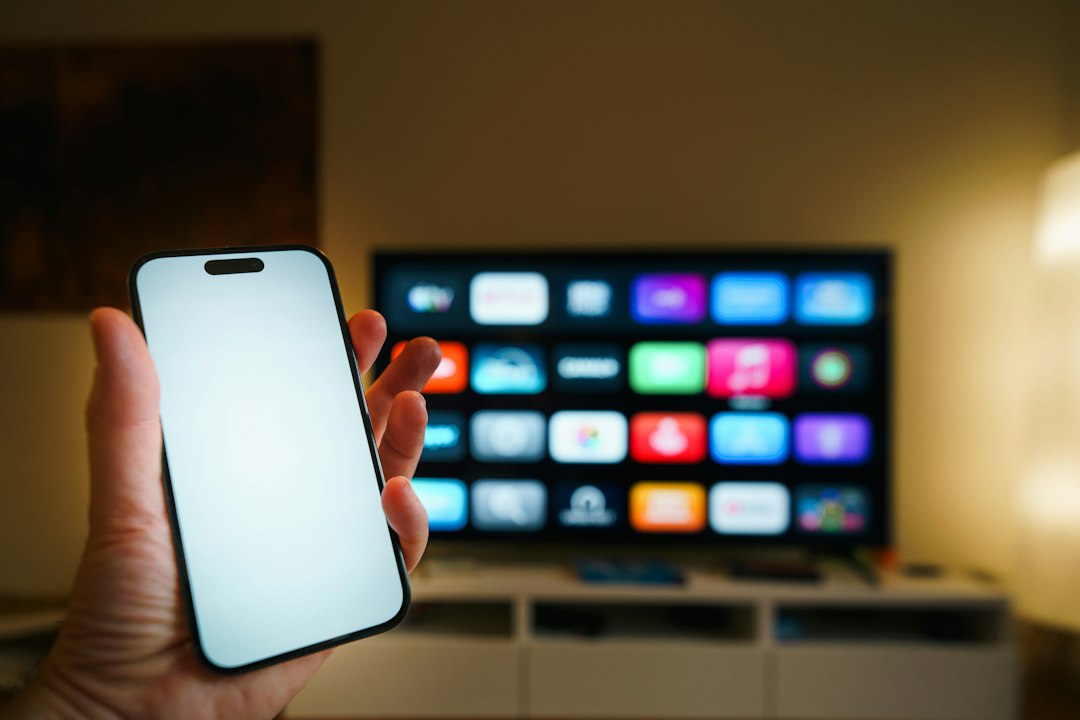
As more households adopt smart speakers, connected lighting, and streaming-first entertainment setups, having a single control hub makes increasing sense. A phone-based remote fits naturally into that ecosystem.
Research from Parks Associates found that the average U.S. household now owns over 16 connected devices, a number that’s grown steadily since 2020. Managing all of them with separate remotes simply isn’t practical anymore.
Consolidating control into one app reduces clutter, speeds up daily routines, and adapts easily as new gadgets get added to the home over time.
Choosing the Right App for Your Setup#
Not all remote control apps are built the same way. Before settling on one, it helps to weigh a few practical factors.
- Device compatibility: Does it support your specific TV or appliance brand?
- Update frequency: Apps updated regularly tend to fix bugs faster.
- User ratings: Look for apps with consistent, recent positive reviews.
- Offline functionality: IR-based apps often work without internet, which matters during outages.
Testing the free version first — before committing to any premium features — remains the safest way to confirm it actually works with your hardware.
Once the setup is confirmed and the basic functions respond correctly, switching from a traditional remote to a smartphone-based one becomes an easy, almost immediate habit for most households.
Keep reading
You might also like
Private Video Call App for Secure Mobile Communication
Private video calling apps let you connect face-to-face instantly, securely, and without complicated setups — perfect for personal and professional conversations alike.…

Best Dating Apps for Meeting New People and Connections
Meeting new people used to mean bars, blind dates, or awkward introductions. Today, a dating app can change how connections actually happen.…