
Industrial labor communities have shaped nations, economies, and entire generations through their unwavering resilience, collective strength, and shared values that continue to echo today.

🏭 The Foundation of Modern Prosperity
The story of industrial labor communities is fundamentally the story of human perseverance and collective ambition. From the coal mines of Appalachia to the steel mills of Pittsburgh, from the textile factories of New England to the automotive plants of Detroit, these communities have forged the backbone of modern civilization. Their contributions extend far beyond the products they manufactured; they created social structures, cultural identities, and value systems that continue to influence contemporary society.
Industrial workers didn’t simply clock in and out of their shifts. They built neighborhoods around factories, established schools for their children, created mutual aid societies, and developed a unique culture rooted in solidarity and hard work. These communities understood that their strength lay not just in individual capability but in collective action and shared purpose.
The Generational Transfer of Working-Class Values
One of the most remarkable aspects of industrial labor communities is how they’ve transmitted their values across generations. Grandparents who worked in mines or factories instilled in their children and grandchildren the importance of reliability, craftsmanship, and loyalty—qualities that remain relevant regardless of economic shifts or technological advancement.
These values weren’t taught through formal education alone. They were embedded in daily life, in the stories told at kitchen tables, in the pride taken in a job well done, and in the respect shown to those who worked with their hands. Children grew up understanding that dignity comes from honest labor, that a person’s word is their bond, and that community members look out for one another during difficult times.
The Ritual of Work and Identity
For many industrial workers across generations, their occupation became inseparable from their identity. Being a steelworker, miner, or factory employee wasn’t merely a job—it was a calling, a source of pride, and a connection to something larger than oneself. This deep identification with labor created strong communal bonds and a sense of purpose that transcended the workplace itself.
The rituals surrounding industrial work—the morning shift whistle, the camaraderie in break rooms, the collective celebration after meeting production targets—all contributed to a shared identity. These traditions created stability and meaning in lives that were often physically demanding and economically precarious.
🤝 Solidarity as Survival Strategy
Industrial labor communities pioneered the concept of organized solidarity as a means of improving working conditions and securing fair treatment. The labor movement, born from these communities, fundamentally changed the relationship between workers and employers, establishing rights and protections that benefit workers across all sectors today.
The spirit of solidarity wasn’t limited to union activities. It permeated every aspect of community life. When a worker was injured, neighbors helped their family. When times were tough, community members pooled resources. When celebrations occurred, the entire neighborhood participated. This interconnected social fabric provided both practical support and emotional sustenance.
Women’s Invisible Contributions
While much attention has historically focused on male industrial workers, women played crucial roles in sustaining these communities. Beyond the significant numbers who worked in textile mills, garment factories, and wartime production facilities, women maintained households, organized community events, supported striking workers, and often took on multiple jobs to supplement family income.
The strength of industrial communities relied heavily on this often-unacknowledged labor. Women created the social networks that held neighborhoods together, passed down cultural traditions, and ensured that children received education and opportunities for advancement. Their contributions were essential to the community’s resilience and continuity across generations.
⚡ Adapting to Economic Transformation
The late twentieth century brought profound challenges to traditional industrial labor communities. Globalization, automation, and the shift toward service and knowledge economies devastated many manufacturing centers. Factories closed, populations declined, and communities that had thrived for generations faced uncertain futures.
Yet the response of these communities to such challenges demonstrates their remarkable adaptability and enduring spirit. Rather than simply accepting decline, many industrial communities have worked to reinvent themselves while honoring their heritage. Former factory buildings have been transformed into technology hubs, artisan workshops, and cultural centers. Communities have leveraged their manufacturing expertise to attract new industries and develop innovative economic strategies.
The Revival of Skilled Trades
Recent years have witnessed a renewed appreciation for skilled trades and manufacturing careers. As economies recognize the limitations of relying exclusively on service and digital sectors, there’s growing acknowledgment of the value that skilled industrial workers provide. This revival brings new opportunities for communities with deep manufacturing traditions to reclaim their economic vitality.
Younger generations are increasingly drawn to careers that offer tangible results, good wages, and the satisfaction of creating physical products. Apprenticeship programs, technical schools, and community colleges in former industrial regions are experiencing renewed interest, connecting young people with the craftsmanship traditions of their grandparents’ generation while incorporating modern technology and methods.
💪 Physical and Mental Resilience
Industrial labor demands extraordinary physical resilience, but the mental toughness developed in these communities is equally significant. Workers faced dangerous conditions, economic uncertainty, and physically exhausting labor, yet they maintained their dignity, raised families, and contributed to their communities. This resilience becomes part of the community’s collective character, passed down as both inspiration and expectation.
The mental fortitude cultivated in industrial settings translates to other life challenges. Children raised in these communities often exhibit remarkable persistence, problem-solving abilities, and emotional strength. They learn early that difficulties are temporary, that hard work yields results, and that giving up is not an option—lessons that serve them regardless of their eventual career paths.
🏘️ Architecture and Geography of Industrial Communities
The physical layout of industrial labor communities reflects their values and priorities. Company towns, row houses near factories, union halls, and neighborhood taverns created distinctive urban landscapes that facilitated community cohesion. These spaces weren’t merely functional; they enabled the social interactions that strengthened communal bonds.
Many of these architectural features remain today, serving as tangible connections to the past. Preserved mining villages, restored factory buildings, and maintained union halls function as museums, community centers, and gathering places that help younger generations understand their heritage. This physical infrastructure provides continuity and helps communities maintain their identity through periods of change.
Environmental Challenges and Responsibility
Industrial communities also grapple with the environmental legacy of past manufacturing practices. Contaminated sites, air quality issues, and health impacts present ongoing challenges. However, these communities have increasingly become advocates for environmental remediation and sustainable industrial practices, recognizing that economic development and environmental stewardship must coexist.
This environmental consciousness represents an evolution in community values—maintaining commitment to industrial work while demanding better practices that protect workers, families, and future generations. It demonstrates how traditional industrial communities continue to adapt their principles to contemporary challenges.
📚 Cultural Contributions and Artistic Expression
Industrial labor communities have made profound cultural contributions, producing distinctive artistic traditions, literature, music, and folklore. The blues emerged from the experiences of workers in the Mississippi Delta, folk music documented the struggles of miners and textile workers, and working-class literature gave voice to experiences often ignored by mainstream culture.
This artistic output serves multiple purposes. It documents historical experiences, provides emotional catharsis, strengthens community identity, and communicates the values and perspectives of industrial workers to broader audiences. Songs about mine disasters, novels about factory life, and paintings of industrial landscapes preserve community memory and ensure that these experiences aren’t forgotten.
Storytelling as Community Glue
Oral storytelling traditions remain particularly strong in industrial communities. Stories about legendary workers, dramatic incidents, labor struggles, and community triumphs pass from generation to generation. These narratives serve educational, entertainment, and identity-reinforcing functions, helping younger community members understand where they come from and what their community represents.
In an era of digital fragmentation, these storytelling traditions provide invaluable continuity and cohesion. Family gatherings, community events, and local history projects keep these stories alive, ensuring that the experiences and wisdom of previous generations inform current and future community members.
🌍 Global Connections and Shared Experiences
While each industrial community has unique characteristics, they share remarkable similarities across geographic and cultural boundaries. Workers in Japanese automotive plants, German steel mills, Brazilian factories, and American manufacturing facilities face similar challenges, develop comparable values, and create analogous community structures.
This global commonality creates opportunities for international solidarity and knowledge sharing. Communities facing deindustrialization can learn from those that have successfully transitioned. Workers organizing for better conditions can draw on strategies developed elsewhere. The fundamental experiences of industrial labor create bonds that transcend national boundaries and cultural differences.
🎓 Education and Skill Development
Industrial communities have consistently prioritized education as a pathway to opportunity, even while valuing skilled trades and manufacturing work. This isn’t contradictory—it reflects a pragmatic understanding that education, whether academic or vocational, expands possibilities and strengthens communities.
Community colleges, technical institutes, and union-sponsored training programs in industrial regions provide accessible education tailored to local economic realities. These institutions bridge traditional academic education and practical skill development, preparing students for diverse career paths while maintaining connections to manufacturing and trades.
Mentorship Across Generations
Formal and informal mentorship has always been central to industrial communities. Experienced workers train newcomers, passing along technical skills, safety knowledge, and workplace culture. This apprenticeship model creates strong intergenerational connections and ensures that accumulated wisdom isn’t lost.
Beyond workplace training, community mentorship extends to life skills, career guidance, and personal development. Retirees volunteer in schools, young workers join community organizations, and multi-generational projects bring together diverse age groups. These interactions strengthen community cohesion and ensure continuity of values and knowledge.
⚖️ Contemporary Relevance and Future Directions
The strength and spirit of industrial labor communities remain profoundly relevant today. As societies grapple with economic inequality, social fragmentation, and questions about the meaning of work, these communities offer valuable lessons about solidarity, purpose, and resilience.
The challenges facing contemporary workers—automation anxiety, wage stagnation, benefits erosion—echo earlier struggles that industrial communities confronted through collective action and mutual support. The strategies they developed—organizing, community building, skills development, political engagement—remain effective tools for addressing current workplace and economic issues.
Manufacturing’s resurgence in some regions, driven by reshoring initiatives, advanced manufacturing technologies, and supply chain concerns, offers opportunities for industrial communities to reclaim economic vitality while evolving their practices. Clean manufacturing, sustainable production, and worker-owned cooperatives represent new approaches that honor traditional values while adapting to contemporary realities.
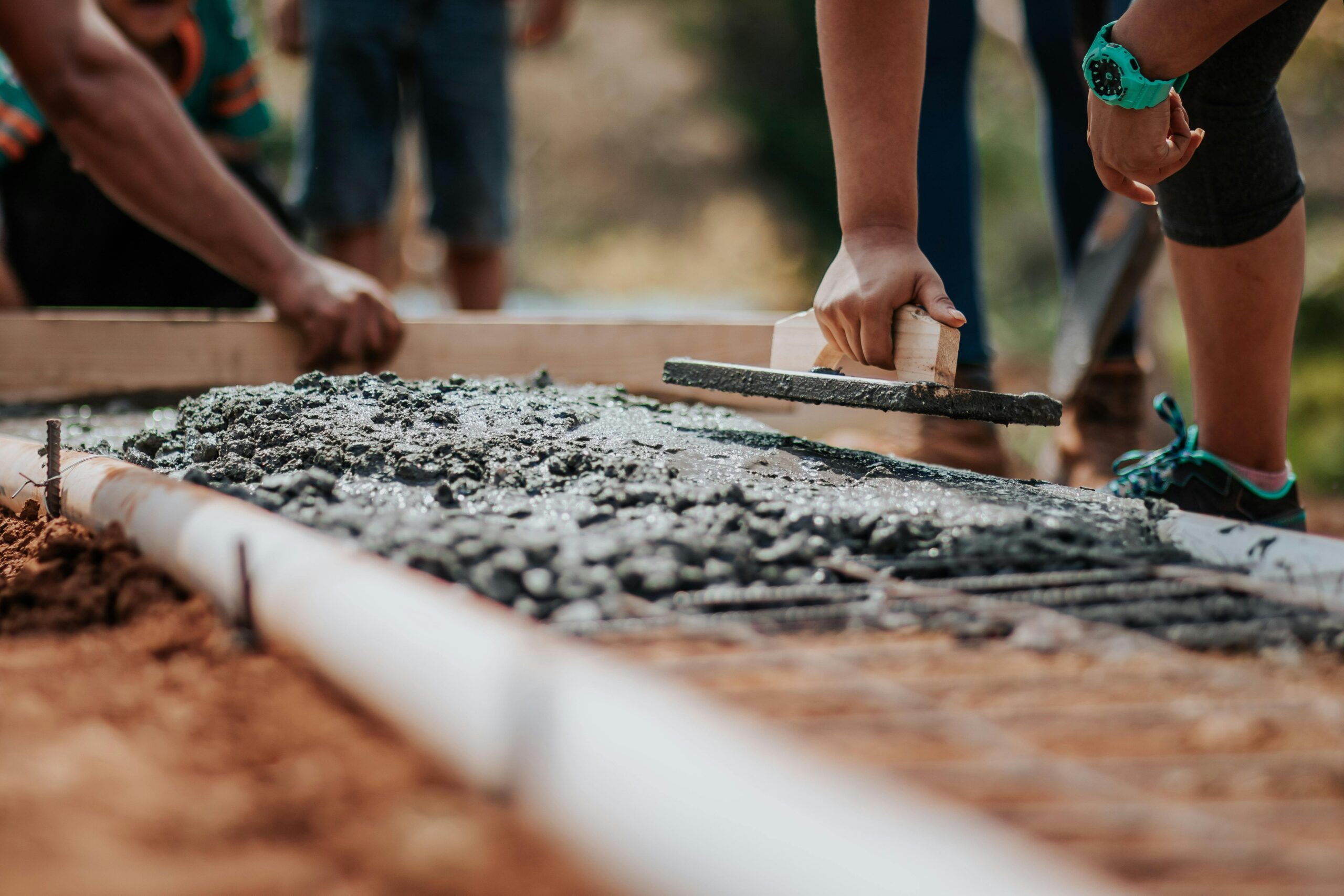
🔨 Honoring the Legacy While Building Forward
The most successful industrial communities balance honoring their heritage with embracing change. They preserve historical sites, document oral histories, and celebrate their manufacturing legacy while simultaneously pursuing economic diversification, environmental remediation, and new opportunities for residents.
This balanced approach recognizes that identity rooted in industrial labor doesn’t require perpetual manufacturing dependence. The values developed in industrial settings—reliability, solidarity, craftsmanship, resilience—transfer to other economic activities. Communities can honor their past while creating different futures for younger generations.
As we move further into the twenty-first century, the experiences of industrial labor communities offer essential insights. In a world increasingly characterized by precarious employment, social isolation, and environmental crisis, their emphasis on community, collective action, and sustainable practice provides a roadmap for building more resilient and equitable societies.
The backbone they built—both physical infrastructure and social structures—continues to support us. Their strength and spirit remind us that progress requires more than individual achievement; it demands solidarity, mutual support, and commitment to collective well-being. These lessons, forged in factories and mines across generations, remain our inheritance and our responsibility to carry forward.