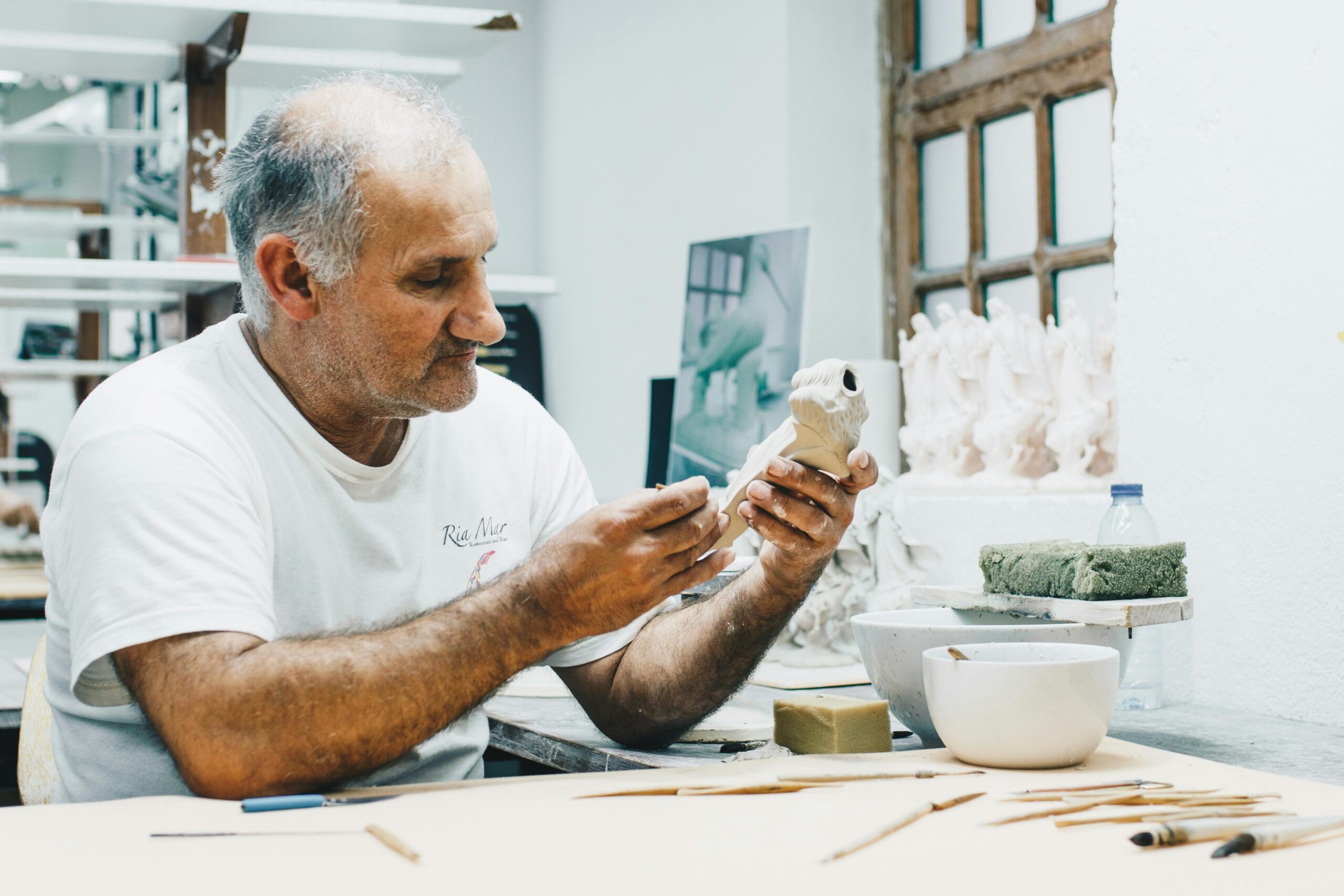
Our jobs define more than paychecks—they sculpt our identities, determine social circles, and influence how others perceive and interact with us daily.

🎭 The Professional Mirror: How Career Reflects Identity
When someone asks “What do you do?” at a social gathering, they’re not just making small talk. This seemingly simple question probes the very essence of how we define ourselves in modern society. Occupational status has become intertwined with personal identity in ways that previous generations could scarcely imagine.
Research in social psychology consistently demonstrates that our professional roles significantly influence self-concept. A surgeon carries themselves differently than a street artist, not because of inherent superiority, but because society has constructed elaborate frameworks around occupational prestige. These frameworks become internalized, shaping everything from our communication styles to our leisure activities.
The clothing we wear, the vocabulary we adopt, and even our posture often reflect our professional identities. Medical professionals develop clinical objectivity, teachers cultivate patience and explanatory skills, and entrepreneurs embody risk-taking mentalities. These aren’t mere stereotypes—they represent genuine psychological adaptations to occupational demands.
The Deep Roots of Professional Self-Concept
Identity formation through occupation begins surprisingly early. Children develop career aspirations that reflect their emerging sense of self, and these aspirations both shape and are shaped by their developing identities. A child who dreams of becoming a scientist begins to see themselves as analytical and curious, reinforcing behaviors that align with this self-image.
As adults, we invest enormous amounts of time and energy into our careers—often more than any other single activity. This time investment alone would be sufficient to make work central to identity, but the psychological investment runs deeper. Our occupations provide frameworks for understanding our place in the world, our value to society, and our contributions to something larger than ourselves.
💼 The Hierarchy of Influence: Occupational Prestige in Action
Not all occupations carry equal social weight. Sociologists have long studied occupational prestige hierarchies, revealing consistent patterns across cultures and time periods. Professions requiring extensive education, offering autonomy, and providing societal benefit typically rank highest in prestige measurements.
This hierarchy isn’t merely abstract—it translates into tangible social influence. A physician’s opinion on health matters carries weight beyond their actual expertise, often extending into unrelated domains. Similarly, successful business executives find their views solicited on everything from education policy to environmental issues, regardless of their actual knowledge in these areas.
Measuring Social Capital Through Professional Lens
The concept of social capital—the networks, relationships, and trust that facilitate cooperation—is profoundly influenced by occupational status. Higher-status occupations typically provide access to more extensive and diverse social networks, creating what sociologists call “weak ties” that prove invaluable for information exchange and opportunity identification.
| Occupational Level | Network Diversity | Access to Resources | Influence Potential |
|---|---|---|---|
| Executive/Professional | Very High | Extensive | Strong |
| Middle Management | High | Moderate to High | Moderate |
| Skilled Trades | Moderate | Moderate | Moderate |
| Service Workers | Low to Moderate | Limited | Limited |
These disparities create self-reinforcing cycles. Those with higher occupational status gain access to influential networks, which in turn provide opportunities for career advancement, further elevating status. Breaking these cycles requires intentional effort and systemic interventions.
🤝 Social Connections: The Professional Network Effect
Our occupations fundamentally determine who we meet, interact with, and form lasting relationships with. The workplace serves as a primary venue for adult friendship formation, and the nature of our work determines the characteristics of potential friends and romantic partners we encounter.
Professional conferences, industry events, and workplace social gatherings create environments where like-minded individuals congregate. A software developer attends tech meetups, encountering others with similar cognitive styles and interests. A nurse works alongside healthcare professionals, forming bonds forged through shared challenges and values.
The Geography of Professional Relationships
Occupational status influences where we live, which further determines our social connections. High-earning professionals cluster in specific neighborhoods and suburbs, creating geographic concentrations of similar socioeconomic backgrounds. These residential patterns reinforce occupational identity while limiting exposure to diverse perspectives.
Children growing up in these occupationally homogeneous environments often view certain career paths as normal or aspirational while remaining unaware of alternatives. This geographical sorting by occupation contributes to social stratification and reduced social mobility across generations.
🧠 Psychological Dimensions: Identity Beyond the Job Title
The psychological relationship between occupation and identity extends beyond simple role identification. Work provides meaning, purpose, and structure to our lives. The loss of employment often triggers identity crises precisely because work has become so central to self-concept.
Psychologist Mihaly Csikszentmihalyi’s research on flow states reveals that meaningful work engagement contributes significantly to well-being and life satisfaction. When we experience flow at work—complete absorption in challenging tasks—we strengthen the connection between our professional and personal identities.
Occupational Identity in Transition Periods
Career transitions reveal the depth of occupational identity integration. Retirement, unemployment, or career changes often trigger periods of self-reflection and identity reconstruction. Individuals who have strongly identified with their professional roles may struggle more during these transitions than those who maintained more diverse identity portfolios.
Modern career paths, characterized by multiple transitions and portfolio careers, challenge traditional models of stable occupational identity. Young professionals increasingly construct hybrid identities that draw from multiple roles and resist simple categorization. This flexibility may prove adaptive in rapidly changing labor markets.
🌐 Digital Age Considerations: Online Professional Personas
Social media and professional networking platforms have created new dimensions of occupational identity performance. LinkedIn profiles, professional Twitter accounts, and industry-specific forums allow individuals to curate and broadcast their professional identities to unprecedented audiences.
This digital performance of occupational identity carries both opportunities and risks. Professionals can build personal brands that transcend geographic limitations, accessing global networks and opportunities. However, the pressure to maintain consistent, polished professional personas online can feel exhausting and inauthentic.
The Authenticity Paradox in Professional Spaces
Navigating professional identity in digital spaces requires balancing authenticity with strategic self-presentation. Research suggests that overly curated personas reduce perceived authenticity, potentially limiting genuine connection. Yet complete transparency can expose vulnerabilities that undermine professional credibility.
Successful navigation of this paradox involves selective authenticity—sharing genuine insights and experiences while maintaining appropriate professional boundaries. This approach builds trust and connection while preserving professional standing.
📊 Economic Implications: Status, Income, and Life Opportunities
Occupational status correlates strongly with income, though the relationship isn’t perfectly linear. This economic dimension of occupation influences countless life outcomes beyond immediate purchasing power. Higher occupational status typically provides:
- Greater job security and employment stability
- Access to quality healthcare and benefits
- Resources for children’s education and enrichment
- Ability to weather financial emergencies
- Opportunities for wealth accumulation through investments
- Geographic flexibility and housing choices
These economic advantages compound over time, creating divergent life trajectories based partly on occupational status. Children of professionals inherit not just financial resources but also cultural capital—familiarity with institutional norms, professional networks, and implicit knowledge about navigating educational and career systems.
🔄 Breaking the Mold: Occupational Mobility and Identity Evolution
While occupational status powerfully shapes identity, it need not be destiny. Stories of dramatic career transformations remind us that occupational identities can evolve. The lawyer who becomes a chef, the banker who transitions to nonprofit work, the scientist who pivots to entrepreneurship—these narratives illustrate identity plasticity.
Successful occupational transitions typically require more than skill acquisition. They demand identity work—consciously reshaping self-concept, building new networks, and developing comfort with changed social positioning. This psychological reorientation often proves more challenging than technical retraining.
Supporting Healthy Occupational Identity Development
Educational systems and career development programs can facilitate healthier relationships between occupation and identity by:
- Exposing young people to diverse career possibilities beyond stereotypical paths
- Emphasizing transferable skills and adaptive capacities over specific job training
- Encouraging development of multifaceted identities not solely dependent on professional roles
- Teaching explicit navigation of professional networking and relationship building
- Addressing implicit biases about occupational prestige and worth
Organizations bear responsibility for creating workplace cultures that acknowledge employees’ full humanity beyond their functional roles. When companies treat workers as whole people with diverse identities, talents, and concerns, they foster healthier occupational identity integration.
🌟 Reimagining Worth: Beyond Occupational Status
Critical examination of how occupational status shapes identity reveals both insights and concerns. While professional identity provides meaningful structure and purpose, over-identification with occupation can prove limiting and fragile. The question becomes: how do we benefit from occupational identity’s positive aspects while avoiding its pitfalls?
Cultivating identity diversity represents one promising approach. Rather than defining ourselves primarily through work, we can intentionally develop identities as community members, family participants, hobbyists, and learners. This portfolio approach to identity provides resilience when any single domain experiences disruption.
The Future of Work and Identity
Emerging work structures—gig economy, remote work, automation, and artificial intelligence—will continue reshaping the occupation-identity relationship. As traditional career paths fragment and employment becomes less stable, flexible identity construction becomes increasingly valuable.
Younger generations already demonstrate more fluid approaches to occupational identity, viewing careers as evolving portfolios rather than linear progressions. This adaptability may prove essential as technological change accelerates and traditional occupational categories blur or disappear.
💡 Practical Wisdom: Navigating Occupational Identity Mindfully
Understanding how occupational status shapes identity, influence, and social connections empowers more intentional navigation of professional life. Several practical principles emerge from this exploration:
First, recognize that occupational prestige hierarchies are social constructions, not objective measures of human worth. All honest work contributing to society deserves respect, regardless of prestige rankings or compensation levels.
Second, deliberately cultivate relationships and activities outside professional spheres. These connections provide identity ballast and prevent over-dependence on occupational status for self-worth.
Third, practice humility about the expertise boundaries of your professional knowledge. Occupational status in one domain doesn’t automatically confer wisdom in unrelated areas.
Fourth, extend networking and mentorship opportunities across occupational hierarchies. Those with high-status positions can consciously work to make their networks more accessible to those with fewer connections.
Finally, periodically reflect on your relationship with your professional identity. Does your work enhance your life and align with your values? Or has occupational identity become constraining, limiting fuller self-expression?

🎯 Moving Forward With Awareness and Agency
Occupational status undeniably shapes identity, influence, and social connections in profound ways. These effects operate at individual psychological levels, interpersonal relationship dynamics, and broader societal structures. Awareness of these processes represents the first step toward more conscious engagement with professional identity.
Rather than passively accepting occupational status as fate, we can approach professional life strategically while maintaining perspective. Work can provide meaning, community, and material security without defining our entire existence. The most fulfilling professional lives balance occupational achievement with broader identity development.
As societies continue grappling with inequality, mobility, and opportunity, understanding how occupation shapes life outcomes becomes increasingly important. Policy interventions, educational reforms, and cultural shifts can help ensure that occupational status determines fewer life chances while still rewarding genuine contribution and excellence.
The relationship between who we are and what we do for work will always carry significance. By approaching this relationship mindfully—recognizing its power while refusing to let it completely define us—we can harness occupation’s identity-shaping potential while maintaining the flexibility, humility, and wholeness that characterize truly fulfilled lives. Our jobs shape us, but they need not imprison us within narrow definitions of worth and possibility. ✨