
The hum of machinery marked a turning point in human civilization, but the air inside those revolutionary spaces told a darker story of progress—one choked with dust, fumes, and consequences.

🏭 The Suffocating Dawn of Industrial Revolution
When the first factories emerged in late 18th century Britain, their architects and owners focused almost entirely on production efficiency. The idea that workers needed fresh air to breathe seemed secondary, if it registered at all. Mills, foundries, and manufacturing plants were designed to house machines, not to sustain human health.
Early textile mills in Manchester and Birmingham operated with minimal consideration for air quality. Workers labored in environments thick with cotton fibers, creating what became known as “white lung” among factory hands. The particulate matter floating through these spaces wasn’t just uncomfortable—it was deadly. Yet ventilation remained an afterthought in industrial design throughout the early decades of mechanized production.
Coal-powered steam engines compounded the problem exponentially. These revolutionary power sources belched smoke and carbon monoxide into enclosed spaces. Combined with the body heat of hundreds of workers, inadequate lighting that required open flames, and processes that generated their own toxic byproducts, early factories were essentially chambers of slow suffocation.
The Human Cost of Stagnant Air
Historical records from the 1820s and 1830s paint a grim picture of worker health in poorly ventilated factories. Life expectancy for urban factory workers was dramatically lower than their rural counterparts—sometimes by as much as fifteen years. Respiratory diseases became endemic in industrial towns.
Children, who comprised a significant portion of the early industrial workforce, suffered disproportionately. Their developing lungs were particularly vulnerable to the contaminated air. Reports from factory inspectors, once such positions were eventually created, documented children as young as six working twelve-hour shifts in air so thick with particulates that visibility was reduced to a few feet.
Tuberculosis, bronchitis, and what was then called “factory fever” spread rapidly through worker populations. These weren’t merely occupational hazards—they represented a public health crisis that would eventually force society to reckon with the true costs of industrial progress.
⚙️ The First Glimmers of Mechanical Ventilation
The earliest attempts at factory ventilation were rudimentary at best. Simple openings in walls or roofs allowed some air circulation, but these were often inadequate and sometimes counterproductive. In winter, they let in cold air that owners promptly sealed off to save on heating costs. In summer, they provided minimal relief from stifling heat.
The breakthrough came from an unexpected source: mining. Underground miners had developed ventilation systems out of necessity—without them, mines filled with deadly gases. These systems used furnaces at the base of ventilation shafts to create updrafts, drawing fresh air through the mine tunnels.
Some forward-thinking factory owners began adapting these principles in the 1830s. They installed ventilation shafts with heated air columns to create artificial drafts that pulled contaminated air out of work spaces. While primitive by modern standards, these systems represented the first serious engineering approach to factory air quality.
Legislative Pressure and Factory Reform
Change accelerated when governments began intervening. Britain’s Factory Acts, starting in 1833 and expanding through subsequent decades, gradually imposed health and safety requirements on industrial operations. Though early legislation focused primarily on working hours and child labor, ventilation requirements soon followed.
The 1844 Factory Act specifically mandated that factories take measures to remove dust and impurities from the air in certain industries. This marked a pivotal moment: ventilation shifted from optional expense to legal requirement. Factory inspectors gained authority to shut down operations that failed to meet basic air quality standards.
Similar legislation emerged across industrializing nations. Prussia introduced factory safety laws in the 1840s, France followed in the 1850s, and even the decentralized United States saw state-level regulations appear by the 1860s. The international nature of these reforms reflected growing recognition that worker health directly impacted productivity and social stability.
🌬️ Engineering Innovation Takes Flight
The mid-19th century witnessed remarkable innovation in ventilation technology. Engineers began applying scientific principles to air movement, drawing on emerging understandings of thermodynamics and fluid mechanics.
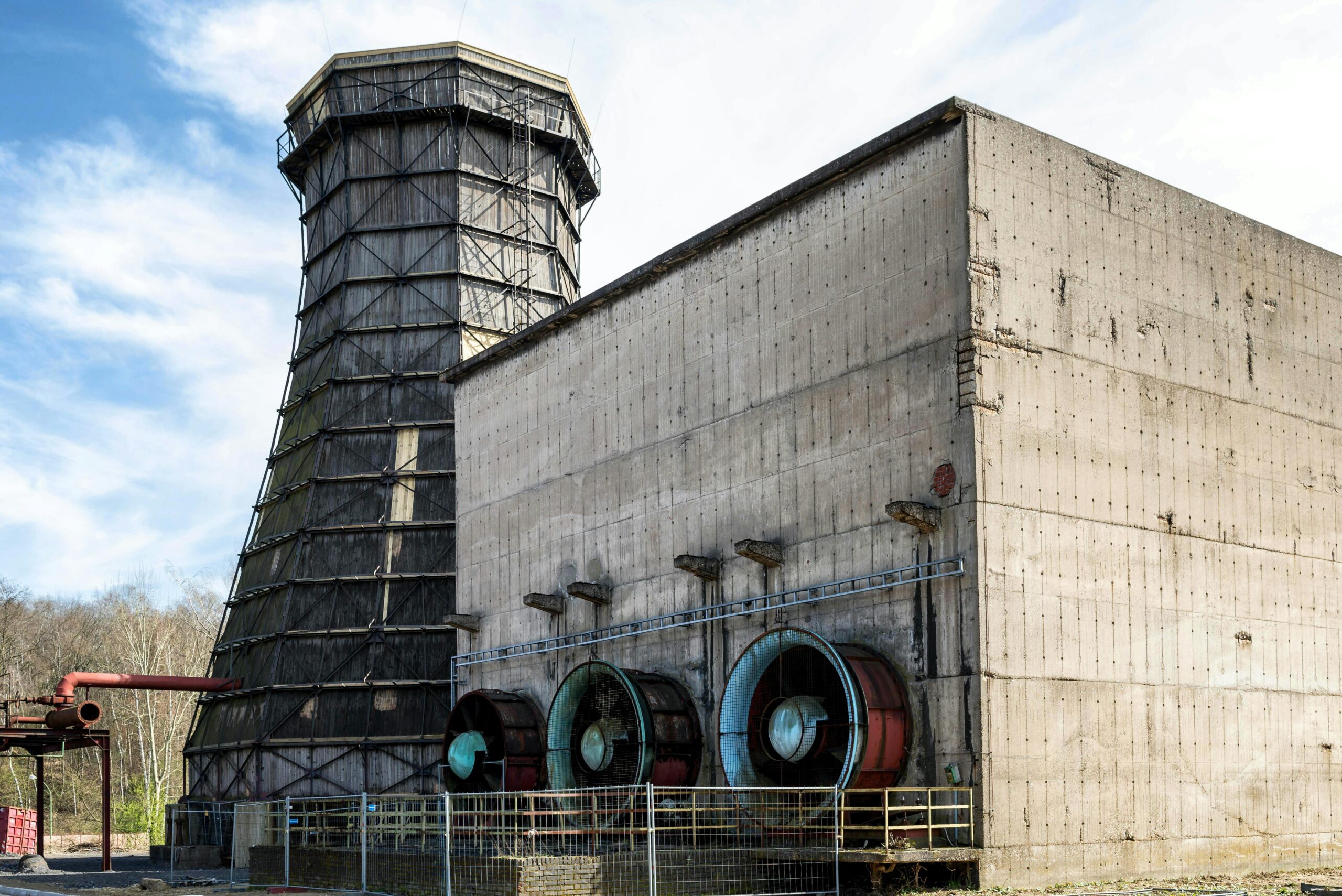
Centrifugal fans, invented in the 1830s but perfected over subsequent decades, revolutionized mechanical ventilation. These devices could move large volumes of air through ducting systems, actively exchanging stale indoor air with fresh outdoor air. Unlike passive systems that relied on temperature differentials, mechanical ventilation provided consistent air exchange regardless of weather conditions.
American engineer Benjamin Franklin Sturtevant made crucial improvements to centrifugal fan design in the 1860s, creating powerful yet efficient models specifically for industrial applications. His fans could be tailored to different factory environments—from the fine dust of flour mills to the heavy smoke of metalworking facilities.
Tailored Solutions for Different Industries
As ventilation technology matured, engineers recognized that different industries required different approaches. A one-size-fits-all solution simply wouldn’t work.
Textile Mills and Cotton Dust
Textile factories demanded systems that could filter particulate matter without disrupting the humidity levels necessary for thread production. Engineers developed systems combining ventilation with moisture control, using water sprays and ducting arrangements that maintained optimal conditions for both workers and materials.
Chemical Factories and Toxic Fumes
The emerging chemical industry presented unique challenges. Factories producing sulfuric acid, chlorine compounds, and other chemicals released fumes that weren’t just unhealthy—they were immediately dangerous. Ventilation systems here required powerful extraction capabilities, often incorporating early forms of scrubbers to neutralize toxic gases before releasing them into the atmosphere.
Foundries and Metalworking
Metal foundries generated enormous heat and metal particulates. Ventilation systems in these facilities needed robust construction to withstand harsh conditions while moving massive air volumes. Hood systems placed directly over furnaces and forges captured contaminants at their source, a principle that remains fundamental to industrial ventilation today.
💡 The Rise of Hygiene Science
The late 19th century saw the emergence of industrial hygiene as a distinct field of study. Researchers began systematically measuring air quality, documenting the relationship between ventilation and worker health, and establishing standards for acceptable exposure levels.
Dr. Thomas Legge, appointed as Britain’s first Medical Inspector of Factories in 1898, conducted groundbreaking studies on occupational lung diseases. His work provided empirical evidence for ventilation requirements, moving the conversation from anecdotal observations to scientific facts. Legge demonstrated that proper ventilation could dramatically reduce respiratory illness rates, providing economic justification for the significant capital investment ventilation systems required.
Universities began offering courses in industrial ventilation and occupational health. The professionalization of this knowledge accelerated the adoption of best practices and standardized approaches to factory air quality management.
Economic Drivers Behind Improvement
While humanitarian concerns played a role in ventilation improvements, economic factors proved equally compelling. Factory owners discovered that better air quality directly improved their bottom line through several mechanisms.
Worker productivity increased in well-ventilated environments. Studies showed that employees in properly ventilated factories maintained higher output rates and demonstrated better concentration throughout shifts. The correlation between air quality and performance became impossible to ignore.
Absenteeism dropped dramatically when ventilation improved. Healthier workers meant fewer sick days and more consistent production schedules. The cost of ventilation systems was offset by reduced labor turnover and training expenses for replacement workers.
Product quality also benefited. In many industries, particularly textiles and precision manufacturing, dust and contaminants in the air degraded finished goods. Better ventilation meant fewer defects and less waste.
🔧 Technical Specifications Emerge
By the turn of the 20th century, ventilation had evolved from an art to a science with measurable standards and engineering specifications. Professional organizations established guidelines for air change rates, duct sizing, fan capacities, and filtration requirements.
The concept of “cubic feet per minute” (CFM) became standard for specifying ventilation capacity. Engineers could now calculate the exact air volume a factory needed based on its size, occupancy, and industrial processes. This quantification allowed for proper system design and comparative evaluation of different ventilation approaches.
Air quality testing equipment developed alongside ventilation technology. Devices to measure dust concentration, carbon dioxide levels, and toxic gas presence gave factory managers objective data about their indoor environments. This feedback enabled continuous improvement and validated that ventilation investments were actually working.
Regional Variations and Cultural Approaches
Interestingly, different countries developed distinct ventilation philosophies based on their industrial characteristics and cultural attitudes toward worker welfare.
German factories often emphasized robust, over-engineered systems that prioritized reliability and thoroughness. British approaches tended toward pragmatic solutions that balanced cost with effectiveness. American factories, particularly as the 20th century approached, showed willingness to invest in cutting-edge technology, viewing ventilation as part of competitive advantage rather than mere compliance.
These variations reflected broader societal differences but converged on fundamental principles: workers needed clean air, and properly engineered systems could provide it at acceptable cost.
🌍 Legacy and Lessons for Modern Industry
The evolution of factory ventilation in the 19th and early 20th centuries established principles that remain relevant today. The journey from suffocating sweatshops to properly ventilated workplaces demonstrated that worker health and industrial productivity weren’t opposing forces—they were complementary.
Modern occupational health standards, workplace safety regulations, and environmental controls all trace their lineage to those early ventilation pioneers who recognized that human lungs couldn’t be treated as disposable components of the production process.
The COVID-19 pandemic reminded contemporary society of lessons learned generations ago: indoor air quality matters profoundly, engineering solutions can mitigate airborne hazards, and investing in ventilation protects both people and productivity. The parallels between 19th-century factory reforms and 21st-century indoor air quality discussions are striking.
The Unfinished Work of Fresh Air
Despite tremendous progress, the story of industrial ventilation remains incomplete. Many developing nations today face challenges remarkably similar to those of Victorian England—rapidly industrializing economies where worker safety sometimes takes a backseat to production demands.
Global supply chains mean that products consumed in countries with strict ventilation standards may be manufactured in facilities where workers still breathe hazardous air. The ethical questions raised by early factory reformers—what responsibility do industrialists bear for worker health?—echo across time and geography.
Advanced economies continue refining ventilation technology, now focusing on energy efficiency, smart systems that adjust air exchange based on real-time monitoring, and integration with broader building management systems. The fundamentals, however, remain unchanged: people need clean air to thrive.
🎯 Breathing Lessons from History
The evolution of factory ventilation teaches several enduring lessons. First, worker welfare and business success are not mutually exclusive—they reinforce each other when approached thoughtfully. Second, engineering can solve problems once thought inevitable consequences of progress. Third, regulatory frameworks play crucial roles in establishing minimum standards that protect vulnerable populations.
Perhaps most importantly, this history reminds us that the air we breathe in our workplaces isn’t an unchangeable given. It’s the result of countless decisions, innovations, struggles, and reforms. Every breath of clean air in a modern factory represents victories won by workers who suffered, engineers who innovated, and reformers who insisted that industrial progress needn’t require human sacrifice.
As we face contemporary challenges—from pandemic preparedness to climate-controlled workspaces—the pioneers of industrial ventilation offer both inspiration and instruction. They proved that seemingly intractable problems yield to persistent effort, that health and productivity can advance together, and that breathing freely shouldn’t be a luxury but a fundamental right in any workplace.
The factories that drove the Industrial Revolution were indeed temples of progress, but progress measured not just in goods produced or profits earned, but in the quality of air that filled workers’ lungs with each breath. That metric of success—literal breathability—remains as vital today as it was two centuries ago.