
Space is one of our most valuable resources, yet it’s often underutilized. Discovering how to maximize every available inch can transform cramped environments into functional, breathable spaces that enhance productivity and well-being.

🏠 The Space Crisis: Why Optimization Matters Now More Than Ever
Urban living has fundamentally changed how we interact with our environments. With housing costs skyrocketing and average living spaces shrinking globally, the ability to optimize space has shifted from a luxury consideration to an essential survival skill. Cities like New York, Tokyo, and London have seen average apartment sizes decrease by up to 30% over the past two decades, making space efficiency not just desirable but absolutely critical.
The financial implications are staggering. Real estate experts estimate that every square foot of optimized space can add significant value to property assessments. Beyond monetary considerations, proper space utilization directly impacts mental health, productivity levels, and overall quality of life. Cluttered, inefficient spaces create stress, reduce focus, and limit our ability to function at our best.
📐 Understanding Spatial Intelligence: The Foundation of Optimization
Before implementing any space-saving strategy, developing spatial intelligence is crucial. This involves understanding how humans interact with their environment, recognizing traffic patterns, identifying dead zones, and comprehending the psychological impact of spatial arrangements.
Spatial intelligence requires analyzing three-dimensional space rather than just floor plans. Vertical space often represents 50-70% of unused potential in most rooms. Corners, ceiling areas, and the space above doorways typically remain completely neglected despite offering substantial storage and functional possibilities.
Measuring Your Space Effectively 📏
Accurate measurement forms the backbone of any optimization project. Traditional tape measures work, but modern technology offers superior solutions. Laser measurement tools and augmented reality apps can create detailed spatial maps in minutes, identifying opportunities invisible to the naked eye.
Document everything: ceiling heights, wall lengths, obstacle locations, window positions, and door swing directions. This comprehensive mapping reveals hidden opportunities and prevents costly mistakes during implementation phases.
🔄 Revolutionary Vertical Integration Strategies
Vertical space represents the single largest untapped resource in most environments. While floor space receives constant attention, the cubic volume above waist height often remains barren territory ready for colonization.
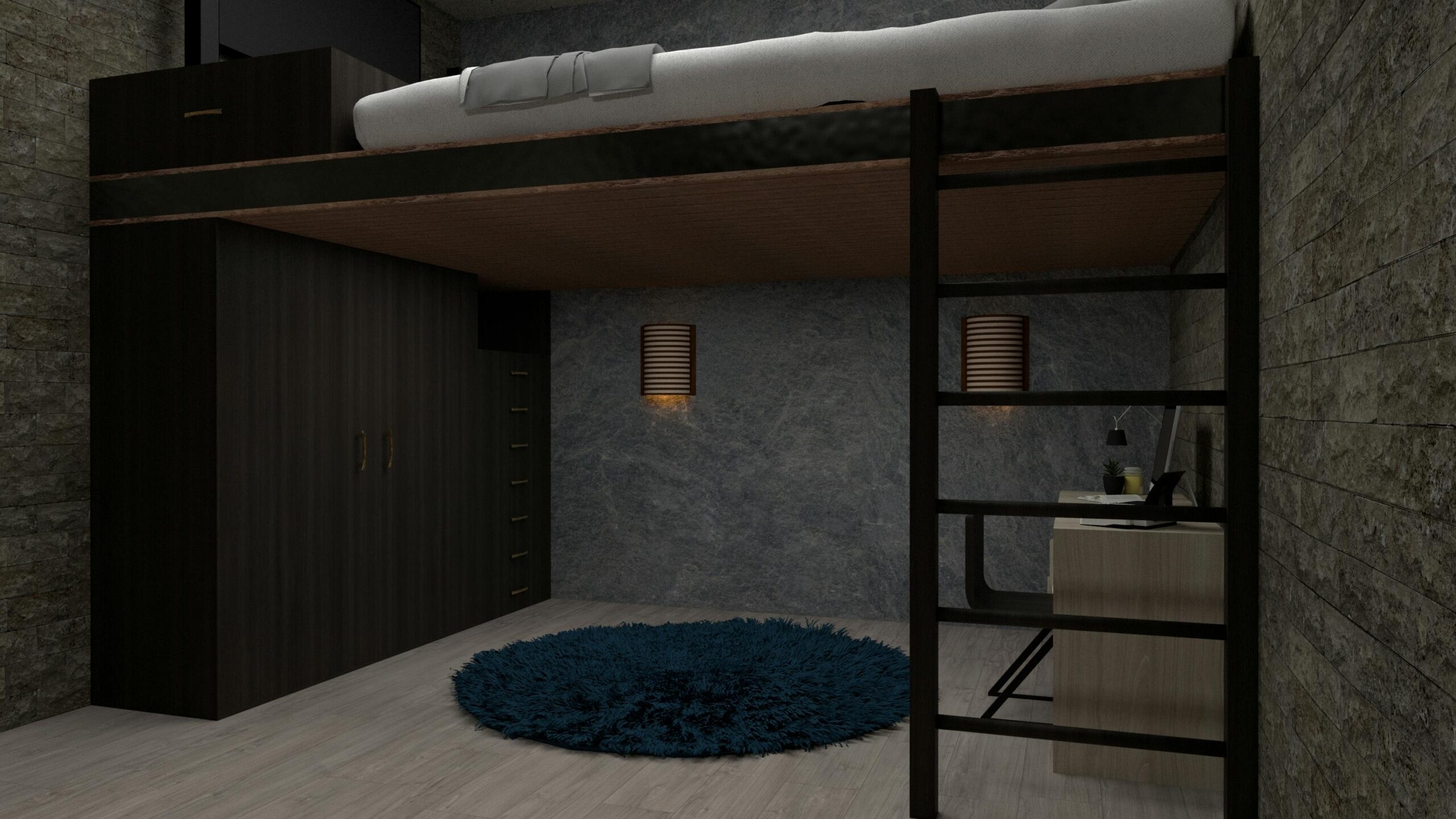
Wall-mounted systems have evolved far beyond simple shelving. Modern vertical integration employs modular frameworks that transform entire walls into multi-functional zones. These systems accommodate storage, display, workspace, and even sleeping areas without consuming precious floor real estate.
Ceiling Space Activation
The ceiling represents perhaps the most underutilized frontier in space optimization. Overhead storage systems, suspended furniture, and ceiling-mounted platforms can reclaim 15-20% additional functional space without impacting movement or aesthetics.
Retractable ceiling systems particularly shine in spaces with high ceilings. Motorized platforms can store seasonal items, rarely-used equipment, or even beds that descend when needed. These solutions work exceptionally well in lofts, studios, and converted industrial spaces where ceiling heights exceed standard residential dimensions.
🪄 Multi-Functional Furniture: The Space Optimizer’s Secret Weapon
Single-purpose furniture represents an obsolete concept in space-constrained environments. Every piece occupying your space should serve multiple functions, transforming to meet changing needs throughout the day.
Contemporary multi-functional furniture goes far beyond murphy beds and fold-out tables. Advanced designs incorporate hydraulic systems, modular components, and intelligent mechanisms that enable seamless transformations. A coffee table becomes a dining surface, then converts to a workspace, and finally transforms into a guest bed—all from a single footprint.
Smart Investment in Transformative Pieces
While multi-functional furniture typically costs more upfront, the space-saving equation makes it remarkably cost-effective. Consider that replacing five single-purpose items with two multi-functional pieces not only recovers space but often reduces total expenditure.
Priority investments include expandable dining tables, sofa beds with integrated storage, ottoman storage units, wall-mounted fold-down desks, and modular shelving systems that reconfigure based on current needs. These foundational pieces create flexibility that static furniture simply cannot match.
🎯 Zone Optimization: Creating Fluid Functional Areas
Traditional room designations limit space potential. The revolutionary approach treats space as fluid, creating zones that shift purpose based on time, activity, and need rather than maintaining rigid functional boundaries.
Zone optimization employs movable partitions, strategic lighting, flexible furniture arrangements, and visual cues to psychologically separate spaces without permanent barriers. A single area might serve as morning workout space, daytime office, evening dining room, and nighttime guest bedroom—maximizing utility from every square foot.
Psychological Space Division Techniques
Physical walls aren’t necessary for creating distinct zones. Color variations, lighting changes, floor treatments, and strategic furniture placement can establish clear boundaries while maintaining spatial flow and preserving the perception of openness.
Area rugs particularly excel at zone definition without space consumption. Different textures, colors, or patterns signal functional transitions while allowing instant reconfiguration. Lighting layers achieve similar effects—task lighting defines work zones while ambient lighting creates relaxation areas within shared spaces.
📦 Storage Revolution: Invisible Organization Systems
Effective storage should be invisible, accessible, and abundant. The storage revolution moves away from bulky cabinets toward integrated systems that disappear into architectural elements while maximizing capacity.
Hidden storage opportunities exist everywhere: beneath stairs, inside walls, under floors, behind mirrors, within furniture bases, and above doorways. Identifying and activating these spaces can triple storage capacity without visibly reducing living areas.
The Vertical Storage Ladder Strategy
Storage prioritization should follow access frequency. Items used daily occupy prime zones between knee and eye level. Weekly-use items go higher or lower. Monthly or seasonal items migrate to extreme heights or depths. This vertical ladder approach ensures frequently-accessed items remain convenient while maximizing total storage volume.
Implement pull-down systems, rolling ladders, or step stools to access upper storage safely. Modern motorized solutions bring high storage zones down to comfortable heights at button press, eliminating the accessibility challenges that historically limited high storage utilization.
🌟 Light and Color: Perceptual Space Expansion
Physical space optimization must partner with perceptual expansion techniques. Light and color dramatically influence how large spaces feel, often creating the impression of 30-50% more room without moving a single wall.
Light colors reflect illumination, creating brightness and openness. However, the strategy extends beyond simply painting everything white. Strategic accent colors add depth, while consistent color flows between zones enhance perceived continuity and space.
Mirror Magic and Reflective Surfaces ✨
Mirrors rank among the most powerful tools for perceptual space expansion. Properly positioned mirrors can visually double room dimensions, reflect natural light into dark corners, and create the illusion of additional windows or openings.
Beyond traditional wall mirrors, consider mirrored furniture surfaces, reflective backsplashes, glass table tops, and metallic finishes. These elements bounce light and views throughout spaces, creating visual complexity that tricks the eye into perceiving more volume than physically exists.
🔌 Technology Integration for Smart Space Management
Modern technology offers unprecedented opportunities for space optimization. Smart home systems, IoT devices, and specialized applications can help monitor, manage, and maximize space utilization in ways impossible just years ago.
Digital inventory systems track stored items, preventing duplicate purchases and identifying unused possessions consuming valuable space. Automated furniture systems respond to voice commands or schedules, transforming spaces without manual effort. Environmental sensors optimize climate control in specific zones rather than entire spaces, reducing equipment footprints.
Space Planning Applications
Specialized applications allow virtual furniture arrangement before physical implementation. These tools use augmented reality to visualize how pieces will fit, how traffic patterns will flow, and how spaces will feel with different configurations.
Room design apps with measurement capabilities help calculate exact dimensions, create scale drawings, and experiment with unlimited arrangements without lifting furniture. This digital experimentation saves time, prevents mistakes, and often reveals optimization opportunities that wouldn’t emerge through physical trial and error.
🌱 Minimalism Meets Functionality: The New Space Philosophy
Effective space optimization isn’t about cramming more into less—it’s about eliminating unnecessary items and ensuring everything present serves clear purposes. This philosophy combines minimalist principles with maximum functionality.
The optimization mindset asks three questions about every item: Does this serve a function? Does this bring joy or value? Could this space be better utilized? Items failing these tests become candidates for removal, regardless of cost or sentimental attachment.
The One-In-One-Out Rule
Maintaining optimized spaces requires ongoing discipline. The one-in-one-out rule prevents gradual re-cluttering by requiring removal of one item for every new acquisition. This simple principle maintains equilibrium and forces conscious consideration before adding anything to optimized environments.
Seasonal rotation strategies complement this approach. Items used only during specific times migrate to deep storage during off-seasons, freeing prime space for currently relevant possessions. This rotation maintains functionality while preventing accumulation.
🏢 Commercial and Workspace Applications
Space optimization principles apply equally to commercial environments where real estate costs directly impact profitability. Modern offices increasingly embrace flexible workstation concepts, hot-desking arrangements, and multi-purpose meeting spaces that adapt throughout the day.
Commercial optimization often shows more dramatic results than residential projects because business spaces typically suffer from more severe inefficiencies. Conference rooms sit empty 70% of the time. Private offices consume space whether occupied or vacant. Storage areas grow organically without strategic planning.
Activity-Based Workspace Design
The revolutionary approach to commercial space creates diverse zones optimized for specific activities rather than assigning permanent desks. Quiet focus areas, collaborative spaces, casual meeting zones, and social areas occupy the same footprint previously devoted to uniform cubicles, dramatically improving both space efficiency and employee satisfaction.
Mobile storage solutions replace static filing systems. Modular furniture reconfigures for different meeting sizes. Technology hubs with multiple connection points support hot-desking. These strategies can reduce commercial space requirements by 30-40% while actually improving functionality.
🛠️ Implementation Strategies: From Planning to Reality
Transforming space optimization theory into reality requires systematic implementation. Attempting comprehensive overhauls simultaneously often leads to chaos and abandonment. Instead, phase approaches work far more effectively.
Begin with a single room or zone, perfect the optimization strategy, learn from mistakes, and then expand to additional areas with refined techniques. This methodical progression builds expertise, prevents overwhelming disruption, and allows budget spreading across time.
The Optimization Timeline
Realistic optimization projects unfold over weeks or months, not days. Rushing creates poor decisions and suboptimal results. Plan for assessment phases, research periods, acquisition time, installation phases, and adjustment windows.
Document the process through photographs and measurements. This documentation reveals progress that daily familiarity obscures, provides valuable reference information, and creates a blueprint for optimizing additional spaces or helping others tackle similar challenges.
💡 Sustaining Optimized Spaces Long-Term
Creating optimized space represents just the beginning—maintaining that optimization requires ongoing commitment and system development. Without intentional maintenance strategies, spaces inevitably drift back toward clutter and inefficiency.
Establish regular decluttering schedules, perhaps quarterly reviews where every item faces renewed scrutiny. Implement immediate organization systems where everything has a designated home and returns there after use. These habits prevent the gradual accumulation that undermines optimization efforts.
Space optimization represents a continuous journey rather than a destination. As life circumstances change, optimal configurations evolve. Regular reassessment ensures spaces continue serving current needs rather than reflecting outdated requirements.
🎨 The Psychology of Optimized Living
Beyond practical benefits, optimized spaces profoundly impact psychological well-being. Research consistently demonstrates that organized, efficient environments reduce stress, improve focus, enhance creativity, and promote overall life satisfaction.
The mental clarity accompanying physical organization isn’t coincidental. Our environments directly influence cognitive function. Cluttered, chaotic spaces create mental clutter and chaos. Conversely, streamlined, efficient spaces foster clear thinking and purposeful action.
Optimized spaces also provide psychological benefits through increased control and competence feelings. Successfully managing space challenges builds confidence that extends to other life areas. The discipline required for maintaining optimization develops broader self-regulation skills.
🚀 Future Trends in Space Optimization
Space optimization continues evolving with technological advancement and changing lifestyle patterns. Emerging trends include robotic furniture systems that automatically reconfigure spaces, AI-powered organization assistants that suggest optimal arrangements, and modular architectural systems allowing physical space reconfiguration.
Sustainability increasingly influences optimization strategies. Efficient space utilization reduces resource consumption, lowers energy requirements, and minimizes environmental impact. The next optimization generation will seamlessly integrate efficiency with ecological responsibility.
Virtual and augmented reality technologies promise revolutionary planning capabilities. Future optimizers will virtually “walk through” proposed arrangements, experiencing spaces before physical implementation. These technologies will dramatically reduce trial-and-error inefficiencies while improving final results.
The ultimate space efficiency revolution recognizes that our relationship with physical space fundamentally shapes our lives. By maximizing every inch through intelligent design, multi-functional solutions, and strategic organization, we reclaim control over our environments. This mastery creates not just more functional spaces, but more fulfilling lives within them. The journey toward ultimate optimization begins with a single step—assessing your current space with fresh eyes and revolutionary possibilities in mind. Every inch holds potential waiting for discovery and transformation.