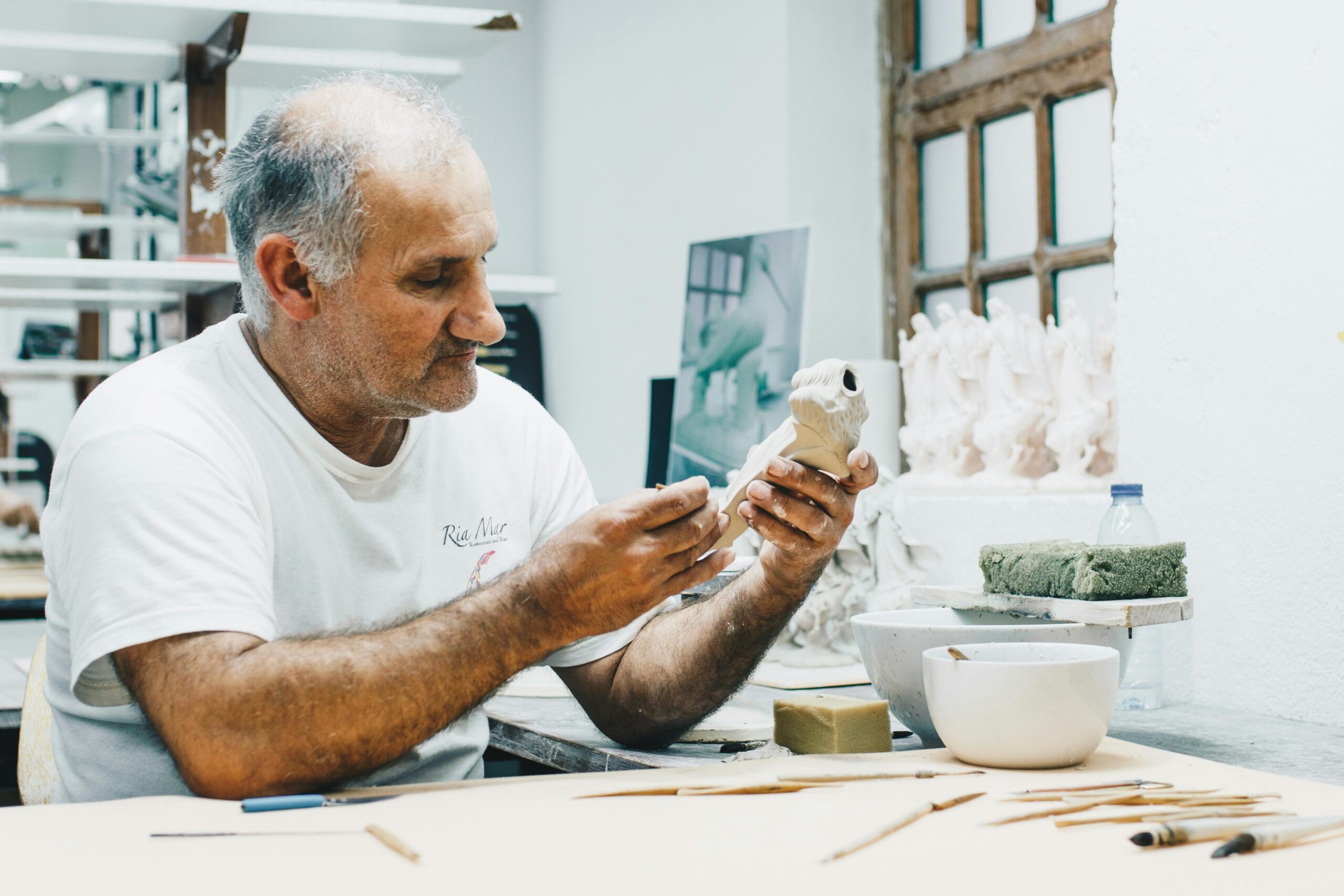
Long before ergonomic chairs and standing desks entered the workplace conversation, ancient civilizations developed sophisticated approaches to comfort and well-being in their workspaces.

The modern office worker spends countless hours researching the perfect chair, debating monitor height, and investing in ergonomic accessories. Yet our ancestors, without benefit of scientific studies or biomechanical analysis, created work environments that often rivaled or exceeded today’s standards for promoting physical health and mental well-being. This isn’t mere nostalgia or romanticizing the past—archaeological evidence and historical records reveal thoughtful, intentional design choices that prioritized human comfort in remarkable ways.
Understanding how pre-industrial societies approached workspace design offers valuable lessons for contemporary office culture. These ancient practices emerged from direct observation, generational wisdom, and an intimate connection with natural rhythms that modern workers have largely lost. By examining these time-tested approaches, we can reclaim forgotten principles of workplace comfort and potentially improve our own environments.
🏛️ The Wisdom of Ancient Scribes: Egypt’s Approach to Sustained Writing Work
Egyptian scribes held prestigious positions requiring long hours of concentrated work. Rather than forcing uncomfortable postures, ancient Egyptian culture developed specific accommodations for these knowledge workers. Scribes typically worked in cross-legged positions with writing boards placed at gentle angles across their laps—a posture that modern ergonomists recognize as promoting better spinal alignment than hunching over flat surfaces.
Archaeological discoveries reveal that Egyptian workshops featured sophisticated natural ventilation systems. High ceilings with strategically placed openings created convection currents that kept air moving without mechanical assistance. This passive cooling approach maintained comfortable temperatures even during intense heat, allowing scribes to work productively without the energy drain of extreme temperatures.
The positioning of workspaces also demonstrated environmental awareness. Scribes’ areas were typically oriented to capture northern light in the Northern Hemisphere—providing consistent, non-glaring illumination throughout the working day. This pre-scientific understanding of optimal lighting conditions aligns perfectly with modern research on reducing eye strain and maintaining circadian rhythms.
Materials Matter: Natural Elements in Ancient Workspaces
Egyptian work environments incorporated limestone, papyrus, and other natural materials that regulated humidity naturally. Unlike modern synthetic materials that trap heat and moisture, these traditional building elements created microenvironments that adapted to conditions. Limestone walls absorbed excess moisture during humid periods and released it during dry spells, maintaining relative comfort without mechanical systems.
⚒️ Medieval Craftsmen: The Original Standing Desk Enthusiasts
Centuries before Silicon Valley executives discovered standing desks, medieval artisans had perfected the concept. Craftsmen in fields ranging from metalworking to manuscript illumination typically worked at standing-height benches, naturally alternating between standing and perching on high stools throughout the day. This variability—now recognized as crucial for cardiovascular health and metabolic function—was simply the practical reality of pre-industrial work.
The medieval workshop layout encouraged movement as an integral part of the work process. Tools were deliberately positioned to require workers to shift weight, reach, and rotate their bodies regularly. Rather than viewing movement as lost productivity, craftsmen understood that physical engagement improved both the quality of work and the endurance of the worker.
Guild regulations from medieval Europe occasionally specified workspace dimensions and conditions, revealing an organized approach to worker welfare. Some guilds mandated minimum window sizes for workshops, ensuring adequate natural light. Others specified ceiling heights and ventilation requirements, demonstrating collective wisdom about the environmental conditions necessary for sustained craftsmanship.
The Rhythm of Productive Work
Medieval work culture incorporated frequent, natural breaks aligned with religious observances and meal times. These weren’t seen as interruptions but as essential components of sustainable productivity. Church bells marked transition points throughout the day, creating a structured rhythm that prevented extended periods of static posture or mental fatigue. Modern research on productivity and the importance of regular breaks validates this ancient approach.
🌾 Agricultural Workspaces: Nature’s Ergonomic Laboratory
Agricultural work might seem removed from office ergonomics, but farming communities developed sophisticated understandings of body mechanics, task variation, and environmental adaptation. Traditional farming cultures worldwide created tool designs that distributed physical load efficiently, minimized repetitive strain, and accommodated different body types.
Japanese rice farming, for example, developed specialized techniques and tools that reduced lower back strain despite the bent-over postures required. The traditional use of padded knee protectors, strategic task rotation among family members, and field preparation methods that minimized the duration of uncomfortable positions all demonstrate ergonomic thinking without ergonomic terminology.
Agricultural communities also understood seasonal rhythms and adjusted work intensity accordingly. The concept of “working with nature” extended to human nature—recognizing that physical capacity varies with temperature, daylight, and life cycles. This holistic approach to workforce management prevented burnout and extended productive working lives.
Tool Design Through Generational Refinement
Agricultural implements evolved through countless iterations based on user experience. A farming tool that caused hand strain or back pain would be modified by the next craftsman who made it. This organic design process, occurring over centuries, produced remarkably efficient tools. Handles curved to match natural grip patterns, weight distributions balanced to reduce muscle fatigue, and working angles that minimized joint stress—all achieved without biomechanical laboratories.
📚 Monastic Scriptoria: The Original Knowledge Work Environments
Medieval monasteries housed scriptoria—dedicated spaces for copying manuscripts that represent perhaps the earliest specialized knowledge work environments. Monks spent hours engaged in detailed, concentrated work requiring fine motor control and sustained attention. The design of these spaces reflects deep consideration for the workers’ needs.
Scriptoria typically featured individual carrels or alcoves that provided each monk with defined personal space while maintaining community connection. This balance between privacy and proximity mirrors modern research on optimal office layouts. The carrel design reduced visual distractions while the shared room provided social presence and mutual accountability.
Temperature regulation in scriptoria was carefully considered. Most were positioned on the warmer, southern sides of monastery buildings. Some featured underfloor heating systems (hypocausts adapted from Roman technology) that provided gentle warmth without the air quality issues of open fires. This attention to thermal comfort recognized its impact on concentration and hand dexterity—crucial for detailed manuscript work.
Lighting Solutions Without Electricity
Monastic builders mastered natural lighting design. Large windows with deep reveals diffused and directed sunlight. Some scriptoria incorporated angled mirrors or polished metal surfaces to redirect light onto work surfaces. The goal was consistent, shadow-free illumination that prevented eye strain during hours of detailed work. Modern lighting designers studying these spaces have found principles that remain valid for contemporary applications.
🏺 Pottery Workshops: Seated Work Done Right
Pottery production represents one of humanity’s oldest crafts, and traditional pottery workshops worldwide developed seating and workspace arrangements that promoted comfort during extended sitting periods. The potter’s wheel position, seat height, and foot pedal placement evolved to create what modern ergonomists would recognize as well-designed seated workstations.
Traditional pottery seats—simple wooden stools or benches—encouraged active sitting. Without backrests, potters naturally engaged core muscles to maintain posture. The seat height relative to the wheel promoted hip angles that modern research associates with reduced lower back strain. The foot-powered wheel mechanism ensured continuous lower body movement, preventing the venous pooling associated with static sitting.
Workshop layouts in pottery communities often placed wheels near openings where natural breezes could provide cooling and remove dust. This environmental consideration addressed air quality concerns that modern industrial hygienists now measure with sophisticated equipment. The traditional placement was based on direct experience and observation of worker comfort and health.
🌅 Circadian Wisdom: Working With Natural Light Cycles
Pre-industrial societies necessarily organized work around natural light availability, but this constraint brought significant benefits. Working primarily during daylight hours maintained alignment with circadian rhythms, promoting better sleep quality and overall health. The gradual brightening of dawn and dimming of dusk provided natural transition periods that modern artificial lighting eliminates.
Different tasks were strategically scheduled according to light quality. Detailed, precision work occurred during optimal midday light. Less visually demanding tasks were scheduled for early morning or late afternoon. This task variation throughout the day also provided natural breaks from repetitive motions and sustained postures—addressing concerns that modern ergonomics tries to solve through scheduled breaks and task rotation programs.
Seasonal variations in daylight hours meant work patterns shifted throughout the year. Longer summer days allowed extended work periods, while shorter winter days enforced rest. This annual rhythm prevented year-round overwork and provided recovery periods. Modern research on seasonal affective disorder and the importance of natural light exposure validates this ancient alignment with solar cycles.
🛠️ The Apprenticeship Model: Progressive Loading and Skill Development
Traditional apprenticeship systems incorporated gradual physical conditioning that modern ergonomics recognizes as crucial for preventing repetitive strain injuries. Apprentices didn’t immediately perform the most demanding tasks. Instead, they progressed through increasingly challenging work as their bodies adapted and their technique improved.
This progressive approach built physical resilience while teaching efficient movement patterns. Master craftsmen modeled proper technique, and apprentices learned through observation and correction. The transmission of “body knowledge”—how to position oneself, how to apply force efficiently, how to maintain work pace—occurred naturally within the apprenticeship relationship.
The multi-year timeline of apprenticeships also meant young workers developed skills during their physical development years. Bodies adapted to work demands gradually, building strength and flexibility specific to craft requirements. This stands in contrast to modern workplaces where individuals often transition abruptly to demanding tasks without adequate physical preparation.
Community Knowledge and Collective Problem-Solving
Craft guilds and work communities functioned as collective research organizations. When a craftsman developed a technique that reduced fatigue or injury, that knowledge spread through the community. Workshops were semi-public spaces where methods were observable and adaptable. This open-source approach to ergonomic problem-solving enabled rapid iteration and improvement of work practices.
💡 Lessons for Modern Workspaces: Rediscovering Ancient Principles
Contemporary workplace design can benefit from reconsidering pre-scientific approaches to comfort and well-being. Several principles emerge from examining historical workspaces that remain relevant or have been forgotten in modern contexts.
Environmental integration rather than environmental control characterized ancient workspaces. Instead of attempting to maintain constant conditions through mechanical systems, traditional spaces worked with natural variations. This approach reduced energy requirements while maintaining comfort through passive design strategies that modern sustainable architecture is rediscovering.
Movement variability was inherent in pre-industrial work. Tasks required different postures and physical engagements throughout the day. Modern workplaces can intentionally design for movement by distributing resources to require position changes, creating varied work settings, and recognizing movement as productive rather than as time away from “real work.”
Social structures supporting well-being extended beyond individual workspace design. Guild regulations, apprenticeship systems, and community oversight provided collective attention to worker welfare. Modern equivalents might include stronger workplace health standards, mentorship programs that include wellness components, and organizational cultures that prioritize sustainable productivity over short-term output.
Natural Rhythms and Human Performance
Alignment with circadian rhythms, seasonal variations, and natural energy fluctuations characterized pre-industrial work patterns. While modern life cannot fully return to sun-dependent schedules, organizations can incorporate principles like strategic task timing, adequate exposure to natural light, and recognition of natural performance variations throughout days and seasons.

🌟 Integration Over Optimization: A Holistic Approach
Perhaps the most significant lesson from pre-scientific workspaces is the holistic approach to worker well-being. Ancient and traditional work environments didn’t separate ergonomics from lighting, air quality, social interaction, and task design. Everything was considered as an integrated whole supporting human flourishing.
Modern workplaces often optimize individual variables—investing in expensive chairs while ignoring air quality, perfecting lighting while maintaining rigid schedules that prevent movement. The pre-scientific approach suggests that moderate attention to multiple factors, viewed as interconnected elements of a complete environment, may produce better outcomes than optimizing isolated variables.
The craftsmanship tradition embedded quality of work life into the work itself. When work holds inherent meaning, when skill development is valued, when community recognition rewards mastery—the work environment becomes about more than physical comfort. These intangible factors significantly impact well-being and may explain why some traditional workers maintained productivity and health despite physically demanding conditions.
Rediscovering ancient comfort principles doesn’t require abandoning modern knowledge or technology. Rather, it suggests combining scientific understanding with time-tested wisdom. Ergonomic research can validate and refine traditional approaches. Modern materials and tools can implement ancient principles more effectively. The goal is integration—creating workspaces that honor both contemporary needs and timeless aspects of human well-being.
As we face epidemics of sedentary lifestyle diseases, burnout, and workplace dissatisfaction, looking backward may provide direction forward. The pre-scientific workspace prioritized well-being not through complex analysis but through attention to fundamental human needs: movement, natural light, temperature regulation, social connection, and meaningful work. These needs haven’t changed. Our challenge is rediscovering how to meet them within contemporary contexts, drawing on both ancient wisdom and modern capabilities to create truly human-centered work environments. ✨