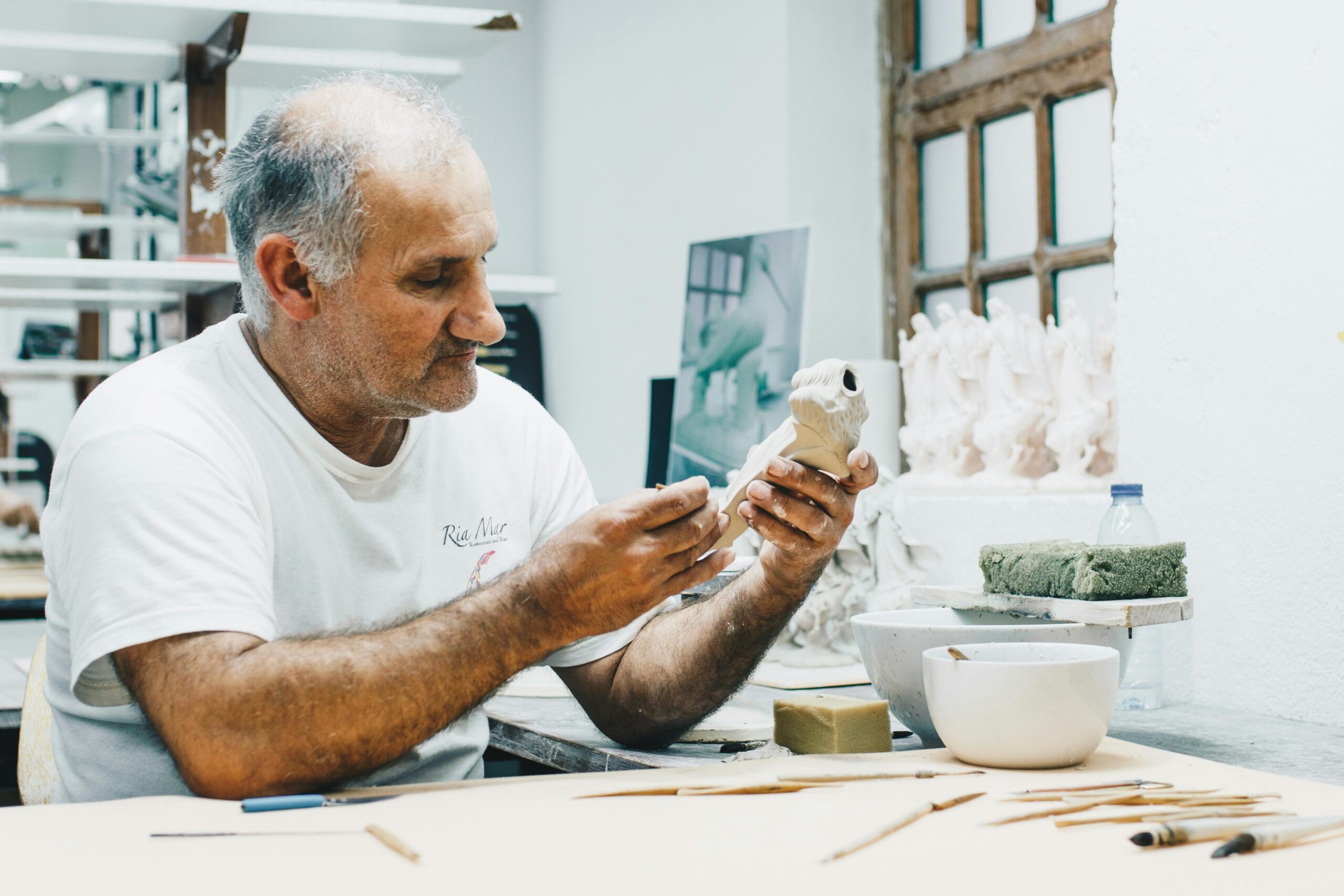
Traditional crafts represent humanity’s earliest forms of skilled labor, blending artistry with functionality in ways that continue to inspire modern society and preserve cultural heritage.

🎨 The Foundation of Artisan Heritage
Throughout history, craftspeople have served as the backbone of communities, creating essential goods while expressing cultural identity through their work. These artisans developed specialized skills passed down through generations, establishing traditions that would define entire regions and civilizations. The relationship between master and apprentice formed the cornerstone of knowledge transmission, ensuring techniques survived and evolved over centuries.
Traditional craft working roles emerged from necessity but evolved into sophisticated art forms. Blacksmiths forged tools and weapons, potters created vessels for daily use, weavers produced textiles for clothing and shelter, and woodworkers constructed everything from furniture to architectural elements. Each craft required years of dedicated practice, intimate knowledge of materials, and an understanding of the cultural context in which these items would be used.
The enduring legacy of these traditional roles extends far beyond the objects themselves. These craftspeople established standards of excellence, developed innovative techniques, and created aesthetic traditions that continue influencing contemporary design. Their work represents a tangible connection to our ancestors, offering insights into historical lifestyles, values, and creative problem-solving approaches.
⚒️ The Blacksmith: Forging Metal and Community Bonds
The blacksmith occupied a position of immense importance in pre-industrial societies. Working with iron, steel, and other metals, blacksmiths created agricultural implements, household items, decorative ironwork, and weaponry. Their workshops became community gathering places where news was exchanged and social bonds were strengthened.
The blacksmithing process requires mastery of fire management, understanding metal properties at different temperatures, and developing the physical strength and precision necessary for shaping heated metal. Traditional blacksmiths learned to read the color of heated metal, knowing exactly when it reached the optimal temperature for forging, welding, or tempering.
Modern blacksmiths continue these traditions while adapting to contemporary contexts. Many specialize in architectural metalwork, creating custom gates, railings, and decorative elements that blend historical techniques with modern aesthetics. Others focus on tool making, producing high-quality knives, axes, and implements valued for their superior craftsmanship and durability.
Essential Blacksmithing Techniques
- Forging: Shaping metal through controlled hammering on an anvil
- Welding: Joining metal pieces by heating and hammering them together
- Tempering: Heat-treating metal to achieve desired hardness and flexibility
- Damascening: Creating decorative patterns by forge-welding different metals
- Repoussé: Raising designs in metal through hammering from the reverse side
🏺 Pottery and Ceramics: Shaping Earth into Art
Pottery represents one of humanity’s oldest crafts, with archaeological evidence dating back over 20,000 years. Potters transformed simple clay into functional vessels, decorative objects, and architectural elements, developing techniques that varied dramatically across cultures and geographical regions.
The potter’s wheel, invented around 3000 BCE, revolutionized ceramic production, enabling faster creation of symmetrical forms. However, hand-building techniques including coiling, pinching, and slab construction remained essential methods, particularly for creating unique sculptural pieces or continuing specific cultural traditions.
Traditional potters developed intimate knowledge of local clay bodies, understanding how different compositions behaved during forming, drying, and firing. They created glazes from naturally occurring minerals, experimenting with chemical combinations to achieve specific colors and surface qualities. Regional pottery styles became distinctive markers of cultural identity, with recognizable forms, decorative motifs, and glazing techniques.
Contemporary ceramicists honor these traditions while pushing boundaries with new technologies and conceptual approaches. Studio potters combine ancient techniques with modern materials, creating functional ware that respects historical precedents while expressing individual artistic visions. The resurgence of interest in handmade pottery reflects broader cultural movements valuing craftsmanship, sustainability, and connection to material processes.
🧵 Textile Arts: Weaving Stories Through Fabric
Textile production encompasses numerous specialized roles including spinning, weaving, dyeing, embroidery, and lacemaking. These interconnected crafts clothed humanity, provided shelter materials, and created objects of beauty that communicated social status, cultural affiliation, and artistic expression.
Weavers operated looms ranging from simple backstrap designs to complex multi-harness floor looms, interlacing warp and weft threads to create cloth with infinite pattern possibilities. Different weaving traditions developed distinct characteristics: Andean weavers created intricate geometric patterns with symbolic meanings, Japanese kasuri weavers perfected resist-dyeing techniques for creating delicate designs, and Scottish tartan weavers established clan-specific patterns that continue identifying family heritage.
Traditional Textile Techniques Across Cultures
Natural dyeing represents another specialized knowledge area, with artisans extracting colors from plants, minerals, and insects. Indigo fermentation vats, cochineal insect cultivation for scarlet dyes, and madder root processing for reds required precise technical knowledge and careful timing. These natural dye traditions are experiencing revival as contemporary textile artists and fashion designers seek sustainable alternatives to synthetic colorants.
Embroidery traditions vary tremendously across cultures, from delicate whitework to bold crewel embroidery, from Chinese silk embroidery’s painterly realism to Palestinian cross-stitch’s geometric precision. Each tradition developed specialized stitches, design conventions, and cultural meanings embedded in patterns and motifs.
🪵 Woodworking: Carving Function from Forest
Woodworkers have shaped humanity’s built environment since prehistoric times, creating shelter, furniture, tools, vehicles, and decorative objects. Traditional woodworking roles included carpenters, cabinetmakers, turners, carvers, and coopersrs, each specializing in specific techniques and product categories.
Understanding wood species, grain patterns, seasoning requirements, and structural properties formed the foundation of woodworking knowledge. Master craftspeople learned to select appropriate woods for specific applications, knowing which species offered optimal hardness, workability, stability, or aesthetic qualities.
Japanese woodworking traditions exemplify the heights traditional woodcraft can achieve. Japanese carpenters developed sophisticated joinery systems requiring no metal fasteners, creating connections of remarkable strength and beauty. Their precision hand tools, including incredibly sharp planes and chisels, enabled work of extraordinary refinement. These techniques continue influencing contemporary furniture makers worldwide.
Wood carving represents another specialized branch, ranging from architectural ornamentation to figurative sculpture. Regional carving traditions developed distinctive styles: Scandinavian flat-plane carving, German Black Forest naturalistic work, Maori meeting house decoration, and Indonesian architectural relief carving each demonstrate unique aesthetic approaches and cultural meanings.
📚 The Apprenticeship Model: Knowledge Transfer Across Generations
Traditional crafts perpetuated through apprenticeship systems where young learners spent years working alongside experienced masters. This educational model emphasized observation, repetition, gradual skill development, and absorption of tacit knowledge difficult to communicate through written instructions.
Apprentices typically began with basic tasks: maintaining tools, preparing materials, and assisting masters with preparatory work. As skills developed, they gradually assumed more complex responsibilities, receiving guidance and correction throughout the learning process. This system ensured quality control, maintained standards, and transmitted not just technical skills but also professional ethics, aesthetic judgment, and cultural traditions.
The apprenticeship journey culminated in creating a “masterpiece”—a work demonstrating complete mastery of craft techniques and qualifying the maker for independent practice. Guild systems formalized these progressions, establishing standards, regulating trade practices, and protecting craft knowledge.
🌍 Cultural Preservation Through Traditional Crafts
Traditional crafts serve as repositories of cultural knowledge, preserving techniques, aesthetics, and values that might otherwise disappear. Indigenous craft traditions particularly represent irreplaceable cultural heritage, embodying worldviews, spiritual beliefs, and ecological knowledge accumulated over millennia.
Many communities recognize craft preservation as essential to cultural survival. Organizations worldwide work to document endangered craft traditions, support practicing artisans, and create economic opportunities making traditional craft work viable. UNESCO’s Intangible Cultural Heritage program identifies and protects craft traditions of outstanding universal value.
Craft revival movements emerge as communities recognize what risks being lost. Young people learn traditional techniques from elderly masters, ensuring knowledge transfer continues. Cultural festivals, craft markets, and educational programs raise awareness about traditional crafts’ importance, creating appreciation and economic support for practicing artisans.
💡 Traditional Techniques Meet Contemporary Innovation
Contemporary craftspeople increasingly blend traditional techniques with modern technologies and conceptual approaches. This synthesis creates exciting possibilities while raising questions about authenticity, tradition, and innovation’s appropriate role in craft practice.
Digital tools offer new capabilities: computer-aided design enables complex pattern development, CNC machines execute precise repetitive cuts, and 3D printing creates forms impossible through traditional methods. Some makers integrate these technologies seamlessly with hand processes, using each method where it offers advantages. Others deliberately reject technological assistance, viewing hand processes as essential to craft’s meaning and value.
Material science advances provide contemporary craftspeople with options unknown to historical predecessors. Modern adhesives, finishes, and composite materials offer improved performance characteristics. However, many craftspeople continue preferring traditional materials, valuing their proven longevity, repairability, and environmental sustainability.
🎓 Learning Traditional Crafts Today
While formal apprenticeships have declined, numerous pathways exist for learning traditional crafts. Craft schools, community colleges, and university programs offer structured instruction in various disciplines. Workshops and intensive courses provide opportunities for focused skill development with master craftspeople.
Online learning platforms expand access to craft education, offering video tutorials, virtual classes, and digital communities connecting learners with instructors and fellow students worldwide. While hands-on guidance remains irreplaceable for developing certain skills, digital resources make craft knowledge more accessible than ever.
Professional organizations and craft guilds continue supporting skill development through conferences, exhibitions, publications, and networking opportunities. These organizations often establish standards, offer certification programs, and advocate for craft’s cultural and economic importance.
💰 Economic Viability in Modern Craft Practice
Creating sustainable livelihoods through traditional craft work presents significant challenges in contemporary economies. Mass production offers lower prices than handmade goods can match, and consumer culture often prioritizes convenience and cost over quality and craftsmanship.
Successful contemporary craftspeople typically employ multiple strategies: producing high-end custom work for discerning clients, teaching workshops and classes, licensing designs for production, creating content through blogs and social media, and developing product lines balancing handcraft with efficient production methods.
The maker movement and increased consumer interest in authenticity, sustainability, and supporting independent creators have improved prospects for craft-based businesses. Online marketplaces, craft fairs, and direct-to-consumer sales models enable craftspeople to reach customers without traditional retail intermediaries.
🌱 Sustainability and Traditional Craft Wisdom
Traditional crafts often embody sustainable practices developed over centuries. Craftspeople traditionally used locally sourced, renewable materials, designed objects for longevity and repairability, and minimized waste through efficient material use and creative repurposing of scraps.
These sustainable approaches contrast sharply with contemporary disposable consumer culture. Growing environmental awareness is driving renewed interest in traditional crafts’ sustainable methodologies. Consumers increasingly value durable, repairable goods over cheap, disposable items, creating opportunities for craftspeople emphasizing these qualities.
Natural materials, non-toxic processes, and minimal environmental impact align traditional crafts with contemporary sustainability values. Craftspeople working with locally sourced materials, natural dyes, and traditional finishing techniques offer environmentally conscious alternatives to industrial production’s environmental costs.
🔮 The Future of Traditional Craft Working Roles
Traditional crafts face uncertain futures in rapidly changing global economies. Some crafts risk extinction as elder practitioners pass away without successors. Others experience revivals as new generations discover meaning and satisfaction in material engagement and hand skill development.
Technology’s role remains contested. Some view digital tools as threats to craft authenticity, while others see them as neutral instruments serving creative vision. The most productive perspective may recognize that crafts have always evolved, incorporating new tools, materials, and techniques while maintaining core values and aesthetic traditions.
Educational institutions play crucial roles in craft futures. Programs valuing hand skills, material knowledge, and craft traditions prepare new generations of makers. However, educational emphases on technology and conceptual approaches sometimes marginalize technical skill development, potentially endangering knowledge transmission.
Cultural attitudes toward craft work significantly impact these traditions’ viability. Societies valuing handcraft, supporting craft education, and creating economic opportunities for craftspeople will see these traditions thrive. Those viewing craft as obsolete or economically irrelevant risk losing irreplaceable knowledge and cultural heritage.

✨ The Timeless Value of Handmade Excellence
Despite technological advances and economic pressures, traditional crafts maintain enduring relevance. Handmade objects possess qualities mass-produced items cannot replicate: individual character, evidence of human touch, connection to makers and materials, and embodiment of time, skill, and care.
Practicing traditional crafts offers profound personal rewards beyond economic considerations. The focused attention required develops mindfulness and presence. Physical engagement with materials provides satisfying contrast to screen-based work. Creating functional beauty generates deep fulfillment. These intrinsic rewards help explain craft’s persistent appeal despite economic challenges.
Traditional crafts connect us to human heritage, demonstrating capabilities, creativity, and cultural expressions spanning millennia. They remind us that humans are makers, that we find meaning through transforming materials with skill and intention, and that excellence pursued with dedication creates lasting value transcending market considerations.
The artisan legacy continues inspiring contemporary makers, designers, and anyone valuing quality, authenticity, and human creativity. Whether practicing traditional crafts professionally, pursuing them as serious hobbies, or simply appreciating handmade objects’ unique qualities, we participate in traditions connecting us to countless generations of skilled makers who shaped the world through dedication to their crafts.