Before clocks dictated our days, humans worked in harmony with natural rhythms, seasons, and community needs—a vastly different approach to modern productivity.

🌾 The Natural Cadence of Pre-Industrial Labor
Our ancestors lived by a fundamentally different understanding of time and productivity. Rather than the relentless eight-hour workday we’ve normalized, pre-industrial societies operated according to what historians call “task-oriented” work rhythms. These patterns were intimately connected to sunlight, seasonal changes, agricultural cycles, and communal obligations.
The medieval farmer didn’t wake to an alarm clock but to the crow of a rooster and the gradual lightening of the sky. Work began when there was enough light to see by and ended when darkness made labor impossible or dangerous. This wasn’t laziness—it was practical wisdom born from centuries of human adaptation to environmental realities.
E.P. Thompson, the renowned social historian, documented these pre-industrial work patterns extensively in his groundbreaking research. He found that craftspeople, agricultural workers, and artisans maintained a flexible approach to daily labor that modern workers would find almost unrecognizable. A weaver might work intensely for several days, then take time off for festivities, family obligations, or simply rest when the body demanded it.
⏰ When the Clock Became King
The transformation from task-oriented to time-disciplined work represents one of the most profound shifts in human social organization. This change didn’t happen overnight but gradually accelerated during the Industrial Revolution, fundamentally altering how humanity perceived productivity and personal worth.
Before factories demanded synchronized labor, time was measured in broad, flexible units. People spoke of morning, midday, afternoon, and evening rather than precise hours and minutes. Church bells marked significant moments for communal prayer and gatherings, but these didn’t dictate constant labor.
The introduction of mechanical clocks in workplaces transformed workers from autonomous producers into units of time that could be bought, measured, and optimized. Factory owners quickly realized that profitability depended on maximizing every minute of the working day. Time became money in a literal sense that previous generations couldn’t have imagined.
The Hidden Costs of Industrial Time
This shift created immediate and lasting tensions. Workers accustomed to controlling their own pace suddenly found themselves monitored, fined for lateness, and punished for taking breaks. The human body’s natural rhythms—the need for periodic rest, the variation in energy levels throughout the day, the seasonal changes in motivation—became obstacles to overcome rather than realities to accommodate.
Early factory workers often struggled tremendously with this new temporal discipline. Historical records show widespread resistance, with workers arriving late, taking unauthorized breaks, or simply failing to appear on certain days. What employers viewed as laziness or insubordination was actually a clash between two fundamentally different ways of organizing human activity and life itself.
🌳 The Seasonal Symphony of Agricultural Work
Agricultural societies, which encompassed the vast majority of human populations for millennia, operated according to seasonal imperatives that created natural periods of intense activity followed by relative calm. This pattern created a work-life balance that, while often harsh and demanding, respected fundamental biological and social needs.
Spring demanded planting—long days of backbreaking labor preparing soil, sowing seeds, and managing the intricate timing that successful cultivation required. Summer brought weeding, irrigation, and constant vigilance against pests and disease. Autumn harvest time was perhaps the most intense period, when entire communities mobilized to bring in crops before weather turned unfavorable.
But winter? Winter was historically a time of relative rest for agricultural communities in temperate climates. Yes, there were animals to tend, repairs to make, and preparations for the next season. However, the pace was markedly slower. This was when communities told stories, held festivals, engaged in craft production, and allowed bodies worn by months of physical labor to recuperate.
The Wisdom of Variable Intensity
Modern productivity culture often views consistent daily output as ideal—the same eight hours, five days per week, fifty weeks per year. Pre-industrial work rhythms recognized what contemporary research on human performance is rediscovering: we’re not designed for such rigid consistency.
Athletes understand periodization—the practice of varying training intensity to allow for recovery and peak performance. Pre-industrial workers lived this principle naturally. The intense labor of harvest time was sustainable precisely because it was time-limited, followed by periods of reduced demand.
This variability extended to daily patterns as well. A typical agricultural worker might labor intensely during cooler morning hours, rest during the heat of midday, resume work in late afternoon, and spend evenings on lighter tasks or social activities. This pattern respects human circadian rhythms far better than the standard modern workday.
🛠️ Artisan Time: The Rhythm of Craftsmanship
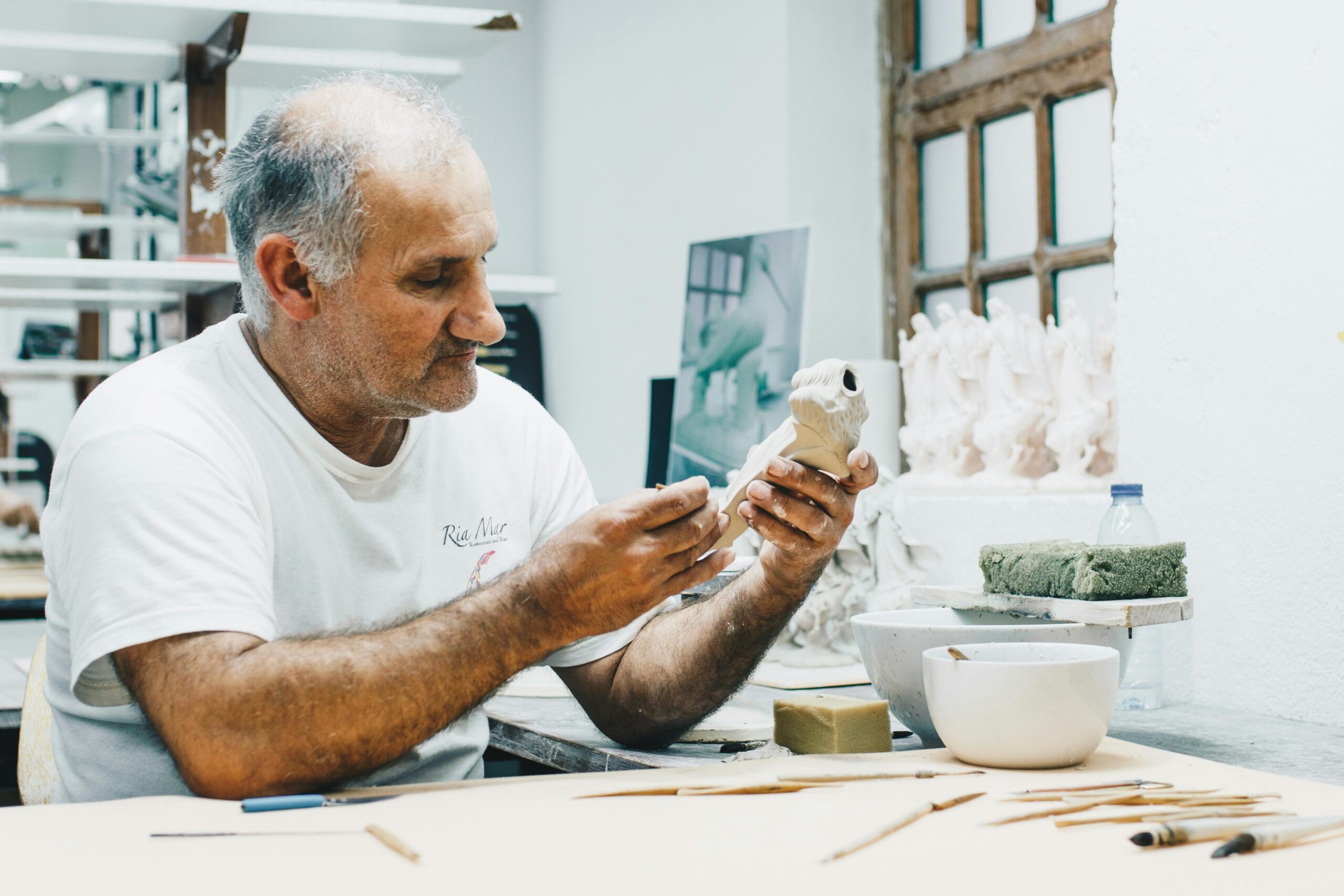
Craftspeople and artisans maintained yet another relationship with work and time. A skilled shoemaker, blacksmith, or weaver controlled not just the pace but the entire process of production. This autonomy created work patterns that balanced productivity with personal wellbeing in ways that industrial labor systematically dismantled.
The craftsperson’s day often began leisurely. There might be time for conversation with neighbors, a proper breakfast, attending to household matters. Work commenced when the artisan felt ready and continued with breaks determined by the work itself—pauses to assess progress, sharpen tools, or simply rest when concentration flagged.
Historical accounts reveal what was called “Saint Monday” in many trades—an informal tradition where workers, particularly in skilled crafts, treated Monday as an extension of the weekend. This wasn’t mere indulgence but part of a work rhythm that intensified toward week’s end to complete orders, followed by recovery time.
Quality Over Quantity
Pre-industrial craft production emphasized quality and mastery in ways that time-disciplined industrial work actively discouraged. When your reputation and livelihood depended on the excellence of each piece produced, rushing made no sense. The work took the time it required—no more, no less.
This approach created products of remarkable durability and beauty. A hand-crafted chair might take weeks to complete but would last generations. Modern mass production inverted this relationship—speed became paramount, often at the expense of longevity and craftsmanship.
The craftsperson’s relationship with time also fostered continuous learning and innovation. With control over one’s pace and process, there was space for experimentation, reflection, and the gradual refinement of technique that defined true mastery. Industrial time, with its relentless pressure for output, left little room for such development.
👥 Community Time and Social Rhythms
Pre-industrial work was rarely solitary. Labor often occurred within family units or community groups, creating social rhythms that made work itself a form of social interaction and bonding. Barn raisings, harvest crews, quilting circles, and cooperative craft production embedded work within community life rather than separating it.
These communal work patterns served multiple purposes. Practically, they allowed for the completion of tasks beyond individual capability. Socially, they maintained community bonds and transmitted skills across generations. Psychologically, they provided the social connection that modern research consistently identifies as crucial for mental health and wellbeing.
The rhythm of community-based work included built-in breaks for conversation, shared meals, and mutual support. A group of women quilting together might work for hours, but the activity combined productivity with social connection, storytelling, and collective decision-making. The work got done, but it served social functions that purely economic analysis misses.
🌅 Lessons for Modern Life and Productivity
Understanding pre-industrial work rhythms isn’t about romanticizing the past or advocating a return to pre-modern life. Subsistence agriculture and craft production involved genuine hardships, uncertainties, and limitations that few would willingly embrace today. However, these historical patterns offer valuable insights for addressing contemporary challenges with work, stress, and wellbeing.
Modern workers increasingly report feeling burnt out, disconnected, and trapped in work patterns that feel unsustainable. The rigid structure of industrial time, now extended far beyond factories into offices, remote work, and even leisure activities, may be fundamentally misaligned with human needs and capacities.
Reclaiming Task-Oriented Work
Some contemporary workers and organizations are experimenting with approaches that echo pre-industrial wisdom. Results-oriented work environments, where employees are evaluated on output rather than hours logged, represent a partial return to task-oriented labor. Freelancers and independent contractors often naturally develop work rhythms that vary in intensity based on project demands and personal energy levels.
The key insight isn’t that we should work less (though many probably should) but that rigid, uniform time structures may be less effective than we assume. Allowing for variation—in daily schedules, weekly patterns, and seasonal rhythms—might enhance both productivity and wellbeing.
Seasonal Living in Modern Context
Even in non-agricultural societies, seasonal variations in energy, mood, and motivation remain real. Winter darkness affects circadian rhythms and mood in measurable ways. Summer’s longer days naturally encourage different activity patterns than autumn or winter.
Some Scandinavian countries and organizations have begun acknowledging these realities, with policies that accept varied work patterns across the year. Rather than demanding identical productivity regardless of season, they recognize that human performance naturally fluctuates and plan accordingly.
🔄 The Rhythm Revolution: Reimagining Productivity
Contemporary research in chronobiology, sleep science, and performance psychology increasingly validates what pre-industrial societies knew implicitly: humans are rhythmic beings. Our bodies and minds operate according to multiple overlapping cycles—circadian rhythms, ultradian rhythms, and longer seasonal patterns.
Optimal productivity doesn’t come from fighting these rhythms but from aligning activities with them. This might mean scheduling demanding cognitive work during personal peak alertness periods, incorporating genuine rest breaks rather than pushing through fatigue, and recognizing that some days or seasons naturally support different types of activity.
Practical Applications for Today
Individuals can experiment with task-batching that creates intensity followed by recovery, rather than maintaining constant moderate effort. Knowledge workers might adopt sprint-based approaches to projects, working intensely for defined periods followed by genuine downtime.
Organizations could reconsider the assumption that productivity requires constant availability and uniform schedules. Flexible work arrangements that accommodate individual rhythms and seasonal variations might enhance both output and employee wellbeing.
Even small changes—like taking actual lunch breaks away from screens, allowing for walking meetings, or respecting the human need for periodic rest—represent steps toward work patterns more aligned with human biology and psychology.

⚖️ Finding Balance Between Past and Present
The pre-industrial past offers no perfect template for modern life. Those societies faced challenges we’ve largely overcome—food insecurity, limited medical care, restricted opportunities. Yet in our rush toward ever-greater efficiency and productivity, we’ve perhaps discarded wisdom that served humanity well for millennia.
The question isn’t whether to abandon modern productivity tools and methods wholesale, but whether we can selectively reincorporate insights about human rhythms, seasonal variation, community connection, and the value of craftsmanship into contemporary work life.
Technology, ironically, might enable this integration. Rather than using digital tools solely to maximize every minute, we could leverage them to create flexibility, track personal rhythms and optimal performance patterns, and establish boundaries that industrial timekeeping made difficult.
The pulse of the past still beats within us—the circadian rhythms, the seasonal shifts in energy and mood, the human need for varied intensity and genuine rest. Rediscovering and honoring these patterns doesn’t mean rejecting progress but rather creating a more humane and ultimately sustainable approach to productive human life.
As we face increasing challenges with burnout, mental health, and work-life balance, perhaps the most innovative solution involves looking backward to move forward—reclaiming the rhythmic wisdom that shaped human work for thousands of years before the industrial clock began its relentless ticking. 🕰️