
Anúncios
Turning your living room into a gym sounds great until motivation fades. A home workout app might be the missing piece that keeps you consistent, accountable, and actually seeing results. 💪
Gyms are expensive, commutes eat into your day, and crowded equipment can kill momentum before you even start. A good home workout app removes all three obstacles at once.
Whether you’re chasing weight loss, muscle tone, or just more energy, these apps offer structured plans you can follow without stepping outside your door.
Why a Home Workout App Beats Winging It Alone#
Random YouTube videos and guesswork routines rarely produce lasting results. Structure matters more than intensity when you’re starting out.


Apps like Home Workout – No Equipment organize exercises into progressive programs, tracking your reps, sets, and calories burned automatically. That data turns vague effort into measurable progress.
- 📊 Progress tracking — see strength gains over weeks, not guesses
- ⏱️ Built-in timers — no need to count seconds manually
- 🎯 Targeted programs — abs, arms, legs, or full-body splits
- 🔔 Reminders — notifications that nudge you before you skip a day
A 2022 survey by the American College of Sports Medicine found that app-guided home training increased workout adherence by nearly 40% compared to unstructured routines. Structure keeps people showing up.
What to Look for Before Downloading#
Not every fitness app fits every body type or goal. Before committing, check these specifics.
Equipment-Free Routines#
The best home workout apps rely on bodyweight exercises — push-ups, squats, lunges, planks. No dumbbells, no resistance bands, no excuses about missing gear.
This matters especially for beginners or people in small apartments where storing equipment isn’t practical.
Difficulty Levels That Actually Progress#
A quality app should scale with you. Look for three tiers at minimum:
| Level | Typical Duration | Focus |
|---|---|---|
| Beginner | 10-15 minutes | Form and consistency |
| Intermediate | 20-30 minutes | Strength and endurance |
| Advanced | 35-45 minutes | High-intensity circuits |
If an app only offers one speed, you’ll either get bored or burn out. Progression keeps the challenge fresh without becoming discouraging.
Video Demonstrations, Not Just Diagrams#
Static images leave too much room for bad form. Look for apps with real video demos showing correct posture — this reduces injury risk significantly, especially for moves like lunges or planks where alignment matters.
Building a Routine That Sticks#
Downloading an app is step one. Actually using it consistently is the real challenge.
Here’s a simple framework that works for most people starting from zero:
- Week 1-2: 3 sessions per week, 15 minutes each, beginner level
- Week 3-4: 4 sessions per week, mix in intermediate circuits
- Week 5+: 5 sessions per week, alternate muscle groups to avoid overuse
Small, repeatable wins beat ambitious plans that collapse by day four. Consistency compounds — missing one day won’t ruin progress, but skipping two weeks will.
Tracking Calories and Results Without Obsessing#
Many apps include calorie estimators based on your weight, workout type, and duration. These numbers are approximations, not gospel, but they’re useful for spotting trends over time.
Instead of weighing yourself daily, check progress photos every two weeks and log how your clothes fit. The app’s internal metrics — total workouts completed, streak counters — often motivate more than the scale does.

Home Workout - No Equipment
Installs100M+
Size323.0MB
PlatformAndroid/iOS
PriceFree
Information about size, installs, and rating may change as the app is updated in the official stores.
Common Mistakes People Make With Fitness Apps#
Even with the right tool, bad habits can sabotage results. Here are the patterns worth avoiding.
Skipping Warm-Ups#
Jumping straight into high-intensity intervals without warming up raises injury risk. Most quality apps include a 3-5 minute warm-up sequence — don’t skip it just to save time.
Ignoring Rest Days#
Muscles grow during recovery, not during the workout itself. Training the same muscle group every single day without rest actually slows progress and increases fatigue.
Chasing Perfection Instead of Consistency#
Missing a day isn’t failure. Many people quit entirely after breaking a streak, when the smarter move is simply restarting the next day. Apps with streak-forgiveness features or flexible scheduling tend to produce better long-term adherence.
Comparing Home Workouts to Gym Memberships#
Cost is often the deciding factor. The table below breaks down a realistic annual comparison.
| Factor | Gym Membership | Home Workout App |
|---|---|---|
| Average annual cost | $600-$900 | $0-$80 |
| Commute time | 20-40 min round trip | 0 minutes |
| Equipment needed | Provided on-site | None (bodyweight-based) |
| Flexibility | Limited to opening hours | Anytime, anywhere |
Gyms offer heavier equipment and social atmosphere, which matters for some people. But for busy schedules, unpredictable routines, or budget constraints, a home exercise app removes nearly every barrier to entry.
Who Benefits Most From Exercising at Home#
Not everyone needs a gym membership to get fit. These groups tend to see the biggest advantage from app-based home training:
- Parents with young kids — squeeze in a session during nap time without childcare logistics
- Remote workers — break up long sitting hours with quick 15-minute circuits
- Travelers — hotel rooms become workout spaces with zero equipment
- Beginners intimidated by gyms — build confidence privately before stepping into a public setting
Even experienced lifters use these apps on days when the gym isn’t accessible, treating them as a backup system rather than a full replacement.
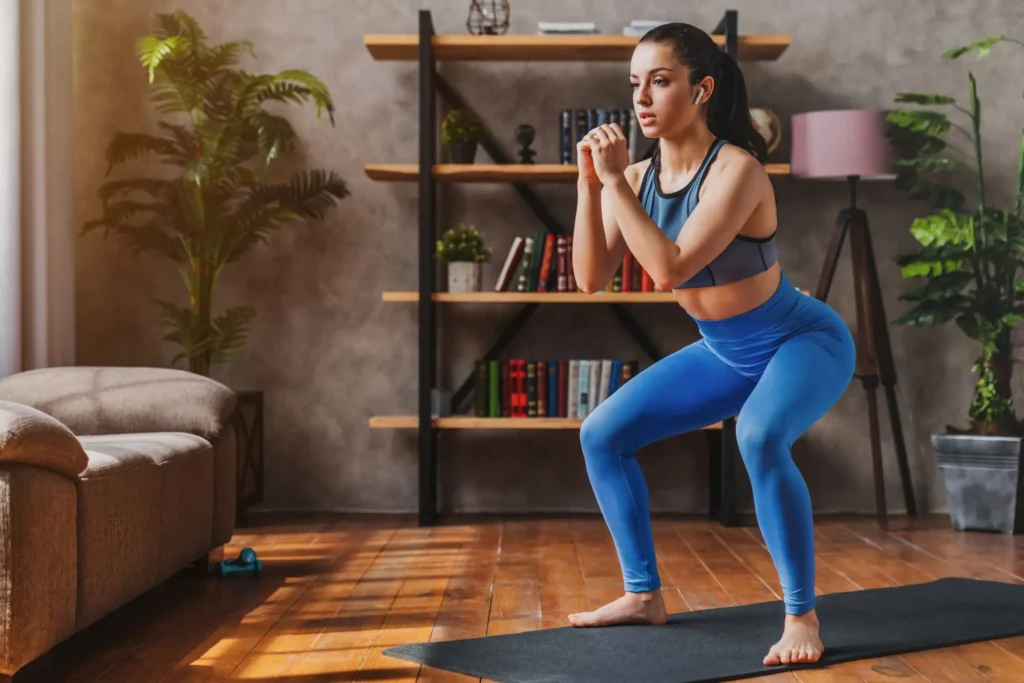
Making the First Week Count#
Motivation is highest on day one and tends to drop fast. Use that initial energy wisely.
Set the app’s reminder notifications immediately after downloading. Choose a specific time slot — morning before coffee, or evening after dinner — and treat it like a non-negotiable appointment rather than something you’ll “get to.”
Track your very first session’s numbers: reps completed, time taken, how winded you felt. That baseline becomes the proof of progress four weeks later, which is often the real motivator that keeps people going past the initial excitement phase.
Home training isn’t a lesser version of gym work — it’s a different tool that fits different lives. With the right app, consistent short sessions, and realistic expectations, the results show up just as reliably as they would anywhere else.
Keep reading
You might also like

Private Video Call App for Secure Mobile Communication
Private video calling apps let you connect face-to-face instantly, securely, and without complicated setups — perfect for personal and professional conversations alike.…

Best Dating Apps for Meeting New People and Connections
Meeting new people used to mean bars, blind dates, or awkward introductions. Today, a dating app can change how connections actually happen.…