Understanding and leveraging workplace social structures can transform ordinary teams into extraordinary communities where collaboration, trust, and innovation flourish naturally.

In today’s fast-paced business environment, technical skills and individual talent alone aren’t enough to guarantee organizational success. The invisible web of relationships, informal networks, and social dynamics that exist within every workplace plays an equally critical role in determining whether teams thrive or merely survive. These social structures—the patterns of communication, influence, and connection between team members—form the backbone of organizational culture and directly impact productivity, employee satisfaction, and long-term business outcomes.
When leaders and team members become conscious of these social dynamics and learn to work with them intentionally, they unlock tremendous potential for collaboration, innovation, and collective problem-solving. This article explores the fundamental principles of workplace social structures and provides actionable strategies for building more connected, resilient, and high-performing teams.
🔍 Understanding the Hidden Architecture of Your Team
Every workplace operates on two levels simultaneously. There’s the formal organizational chart—the official hierarchy with designated roles, reporting lines, and responsibilities. Then there’s the informal social structure—the network of actual relationships, influence patterns, and communication flows that determine how work really gets done.
The informal social structure often has more influence on daily operations than the formal hierarchy. Employees naturally gravitate toward certain colleagues for advice, support, or collaboration, regardless of official titles. Some team members become information brokers who connect different departments, while others serve as cultural influencers who shape team norms and attitudes.
Recognizing this dual structure is the first step toward mastering workplace dynamics. The most effective leaders don’t ignore or fight against informal networks—they acknowledge them, understand them, and align them with organizational goals. This approach creates coherence between official structures and organic social patterns, reducing friction and increasing overall team effectiveness.
Mapping Your Team’s Social Landscape
To work effectively with social structures, you first need to understand what they look like in your specific context. Social network analysis can reveal patterns that aren’t immediately obvious. Who communicates with whom most frequently? Which team members bridge different departments or groups? Where are the information bottlenecks or isolated individuals?
You don’t need sophisticated software to gain these insights. Simple observation, informal conversations, and attention to meeting dynamics can reveal a great deal. Notice who people turn to when they need help, who generates enthusiasm for new ideas, and who serves as a sounding board for concerns. These natural influencers and connectors are key players in your team’s social architecture.
💡 The Building Blocks of Healthy Team Dynamics
Strong workplace social structures don’t emerge by accident. They’re built on specific foundational elements that leaders and team members can actively cultivate. Understanding these building blocks helps you diagnose weaknesses and strengthen your team’s social fabric.
Psychological Safety as Foundation
Google’s extensive research into team effectiveness, known as Project Aristotle, identified psychological safety as the single most important factor in high-performing teams. Psychological safety means team members feel comfortable taking interpersonal risks—speaking up with ideas, questions, or concerns without fear of embarrassment or punishment.
In psychologically safe environments, the social structure becomes more open and resilient. Information flows more freely, conflicts get resolved constructively, and innovation accelerates because people aren’t afraid to experiment or fail. Creating this safety requires consistent leadership behavior that welcomes diverse perspectives, acknowledges mistakes openly, and responds to concerns with curiosity rather than defensiveness.
Trust Networks and Relationship Capital
Trust is the currency of effective social structures. Strong trust networks within teams enable rapid decision-making, reduce the need for excessive oversight, and create resilience during challenging times. When team members trust each other’s competence and intentions, collaboration becomes fluid rather than forced.
Building trust requires both consistency and vulnerability. Leaders who admit mistakes, ask for help, and show genuine interest in team members as whole people create permission for others to do the same. Over time, these small acts of authenticity accumulate into relationship capital—the reserve of goodwill that teams draw on when facing disagreements or difficulties.
Communication Patterns That Connect
The way information flows through your team shapes its social structure profoundly. Centralized communication patterns—where all information flows through one person or small group—create bottlenecks and dependency. Distributed communication patterns—where multiple pathways exist for information sharing—create resilience and agility.
Effective teams develop communication norms that balance efficiency with inclusion. This might mean establishing clear channels for different types of information, creating rituals that bring the whole team together regularly, or using collaborative tools that make work visible to everyone. The goal is ensuring that people have access to the information they need while avoiding overwhelming noise.
🌱 Cultivating Connection in Remote and Hybrid Environments
The shift toward remote and hybrid work has fundamentally changed how workplace social structures form and function. The spontaneous hallway conversations, lunch table discussions, and after-work socializing that once built relationships naturally now require intentional design.
Remote environments can actually strengthen certain aspects of social structures by leveling hierarchies and giving voice to team members who might be overlooked in traditional office settings. However, they also present challenges for building the casual familiarity and trust that develop through regular informal interaction.
Designing Virtual Connection Points
Thriving remote teams don’t leave connection to chance. They create structured opportunities for both work-focused collaboration and social interaction. This might include virtual coffee chats, dedicated Slack channels for non-work topics, or team rituals that create shared experiences across distances.
The key is balancing structure with authenticity. Forced fun rarely builds genuine connection, but thoughtfully designed spaces where people can interact authentically often do. Some teams schedule occasional “work together” video sessions where everyone works on individual tasks with cameras on, recreating the ambient presence of a shared office space.
Communication Tools That Support Connection
The platforms and tools your team uses shape social dynamics more than you might realize. Teams that rely exclusively on email tend to develop more formal, siloed communication patterns. Those that incorporate instant messaging, video calls, and collaborative documents often develop more fluid, interconnected social structures.
For teams looking to enhance their communication and collaboration, tools like Slack for instant messaging and Microsoft Teams for integrated workspace collaboration can significantly impact social dynamics by making communication more immediate and visible across the team.
The choice of tools matters less than how intentionally you use them. Establish clear norms about which channels to use for what purposes, how quickly responses are expected, and how to signal availability or focus time. These agreements become part of your team’s social operating system.
🤝 Leveraging Diversity as a Social Strength
Diverse teams—including differences in background, experience, perspective, and working style—have greater potential for innovation and problem-solving. However, diversity can also create social friction if not managed thoughtfully. The key is leveraging diversity’s strengths while building bridges across differences.
From Similarity Bias to Strategic Connections
Humans naturally gravitate toward people similar to themselves—a phenomenon called homophily or similarity bias. Left unchecked, this tendency fragments teams into isolated subgroups based on department, location, background, or personality type. These silos limit information flow and reduce collective intelligence.
Intentional interventions can counter similarity bias. Cross-functional projects, rotating team compositions, mentorship programs that pair unlikely colleagues, and structured networking activities all create bridges between different groups. The goal isn’t eliminating natural affinity groups but ensuring they’re complemented by connections that span differences.
Creating Inclusive Social Structures
Inclusion in social structures means more than diversity in hiring—it means ensuring that all team members have genuine access to information, influence, and connection. This requires paying attention to who speaks in meetings, whose ideas get credited and developed, and who gets included in informal decision-making conversations.
Leaders can promote inclusion by actively soliciting input from quieter team members, rotating who leads meetings or projects, and making implicit processes explicit. When unwritten rules and insider knowledge become visible and accessible to everyone, social structures become more equitable and effective.
📊 Measuring What Matters in Team Dynamics
You can’t improve what you don’t measure. While social dynamics might seem too intangible to quantify, several approaches can provide useful data about your team’s social health and identify areas for improvement.
Social Health Indicators
Regular pulse surveys can track important dimensions of team social dynamics. Questions about psychological safety, collaboration quality, information access, and relationship strength provide quantitative baselines and track changes over time. The key is keeping surveys brief, acting on results, and closing the feedback loop with the team.
Behavioral data also reveals social patterns. Communication analysis—looking at frequency, distribution, and reciprocity of interactions—can identify isolated team members, communication bottlenecks, or unhealthy patterns like after-hours overload. Many collaboration platforms now offer analytics that can surface these patterns.
Qualitative Insights Through Dialogue
Numbers tell part of the story, but understanding social dynamics fully requires conversation. Regular one-on-one meetings, team retrospectives, and stay interviews all provide opportunities to understand the social experience from individual perspectives.
Asking open-ended questions generates rich insights: What’s working well about how our team collaborates? Where do you feel disconnected or unclear? Who have you learned the most from recently? What would help you feel more connected to the team? These conversations both gather information and strengthen the social fabric by demonstrating genuine interest.
🚀 Transforming Conflict Into Connection
Conflict is inevitable in any team, but it doesn’t have to be destructive. In fact, teams with healthy social structures transform conflict from a threat into an opportunity for deeper understanding and stronger relationships. The difference lies in how conflict is approached and managed.
Productive Conflict Versus Toxic Discord
Productive conflict focuses on ideas, approaches, and solutions rather than personalities. It occurs within a context of mutual respect and shared purpose. Team members can disagree vigorously while maintaining positive regard for each other. This kind of conflict actually strengthens social structures by surfacing diverse perspectives and building confidence in the team’s ability to work through differences.
Toxic conflict becomes personal, erodes trust, and fragments teams into opposing camps. It often stems from unclear goals, poor communication, or unaddressed tensions that have festered over time. Preventing toxic conflict requires establishing clear norms, addressing issues early, and creating safe channels for raising concerns.
Building Conflict Resolution Capacity
Teams with strong social structures don’t avoid conflict—they’ve developed the capacity to navigate it constructively. This capacity includes shared frameworks for addressing disagreements, trust that allows vulnerable conversations, and skills in active listening and perspective-taking.
Leaders can build this capacity by modeling constructive conflict engagement, facilitating difficult conversations rather than avoiding them, and teaching basic conflict resolution skills. When teams successfully navigate conflict together, they often emerge with stronger bonds and greater confidence in their collective resilience.
🎯 Sustaining Momentum: Making Social Health a Priority
Creating thriving social structures isn’t a one-time initiative—it’s an ongoing practice that requires consistent attention and renewal. Teams naturally drift toward fragmentation and disconnection without deliberate effort to maintain cohesion.
Rituals That Reinforce Connection
Regular team rituals serve as the heartbeat of healthy social structures. These might include weekly check-ins where everyone shares professional and personal updates, monthly celebrations of achievements and milestones, or quarterly offsites that combine strategic planning with relationship building.
The specific rituals matter less than their consistency and meaning. Effective rituals create predictable opportunities for connection, reinforce team values and identity, and mark the passage of time together. They become part of “how we do things here” and provide stability amid constant change.
Leadership That Models and Maintains
Ultimately, healthy workplace social structures require leadership commitment—not just from formal managers but from anyone with influence in the team. Leaders shape social dynamics through countless small choices: how they respond to questions, whom they acknowledge and credit, how they show up in meetings, what behaviors they reward or discourage.
The most effective leaders treat social health as seriously as financial performance or operational efficiency. They invest time in relationships, prioritize team cohesion alongside task completion, and recognize that sustainable high performance depends on strong social foundations. This mindset shift—from viewing relationships as secondary to the “real work” to understanding them as essential infrastructure—transforms team culture fundamentally.
🌟 The Ripple Effects of Social Excellence
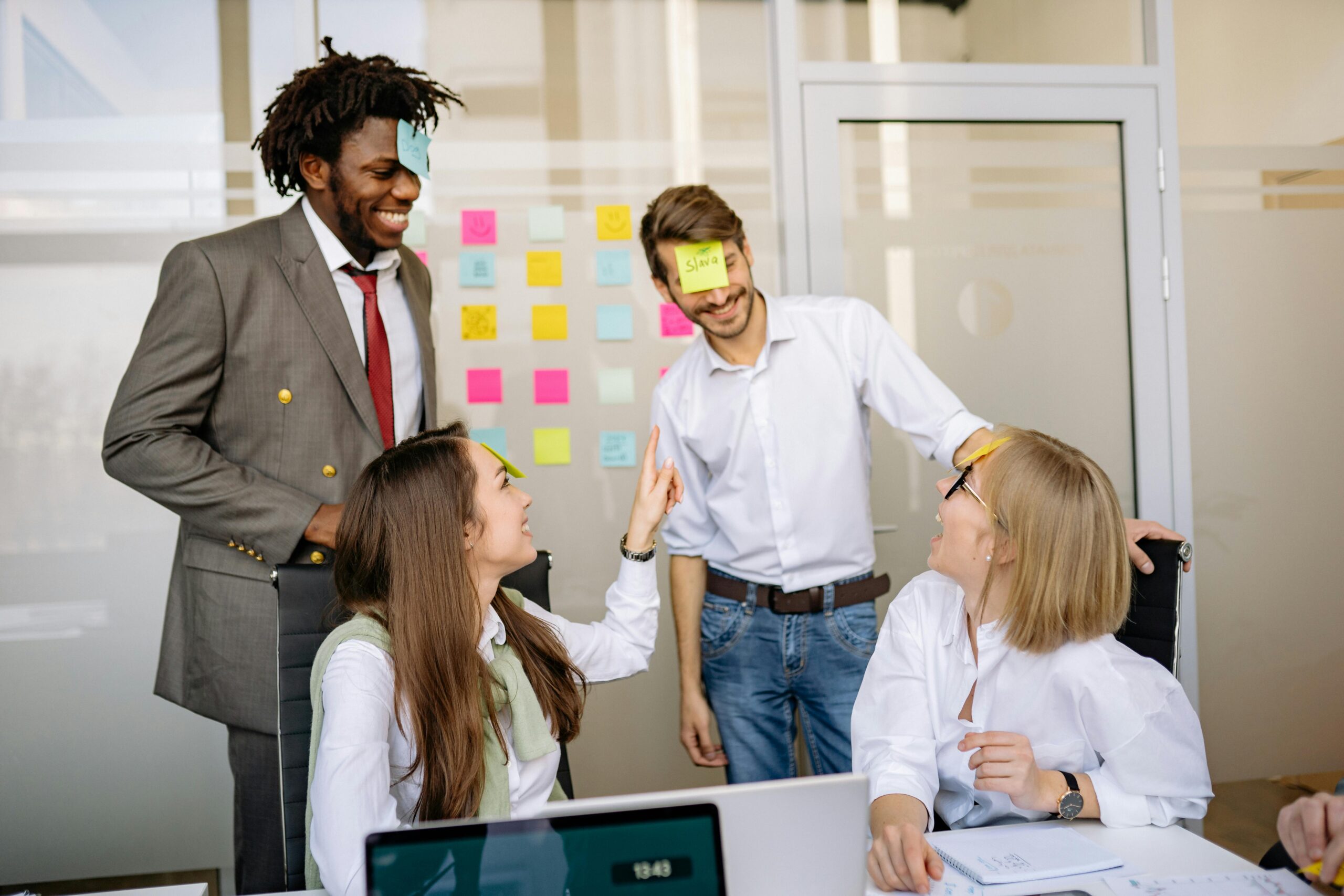
When teams get social dynamics right, the benefits extend far beyond immediate work outcomes. Employees in well-connected teams report higher job satisfaction, lower stress, and stronger commitment to their organization. They’re more likely to stay during difficult times and recommend their workplace to others.
Strong social structures also create organizational resilience. When unexpected challenges arise—economic downturns, leadership transitions, or industry disruptions—teams with robust relationship networks weather the storm more effectively. The trust and connection built during good times become resources to draw on when things get tough.
Perhaps most importantly, thriving social structures make work more meaningful and enjoyable. Humans are fundamentally social creatures who derive significant satisfaction from positive connections with others. When work provides not just a paycheck but also a sense of belonging, purpose, and genuine connection, it becomes a source of fulfillment rather than merely obligation.
Mastering workplace dynamics isn’t about manipulating people or forcing artificial camaraderie. It’s about creating conditions where authentic connection can flourish, removing barriers to collaboration, and aligning social structures with shared goals. The investment required—in time, attention, and intentional design—pays dividends in team performance, individual wellbeing, and organizational culture.
Your team’s social structure already exists, shaping daily experiences and outcomes whether you attend to it or not. The question isn’t whether to have workplace social dynamics but whether to understand and work with them consciously. Teams that make this choice—that invest in mapping their social landscape, building psychological safety, fostering trust, and maintaining connection over time—position themselves for sustainable excellence in an increasingly complex and connected world.