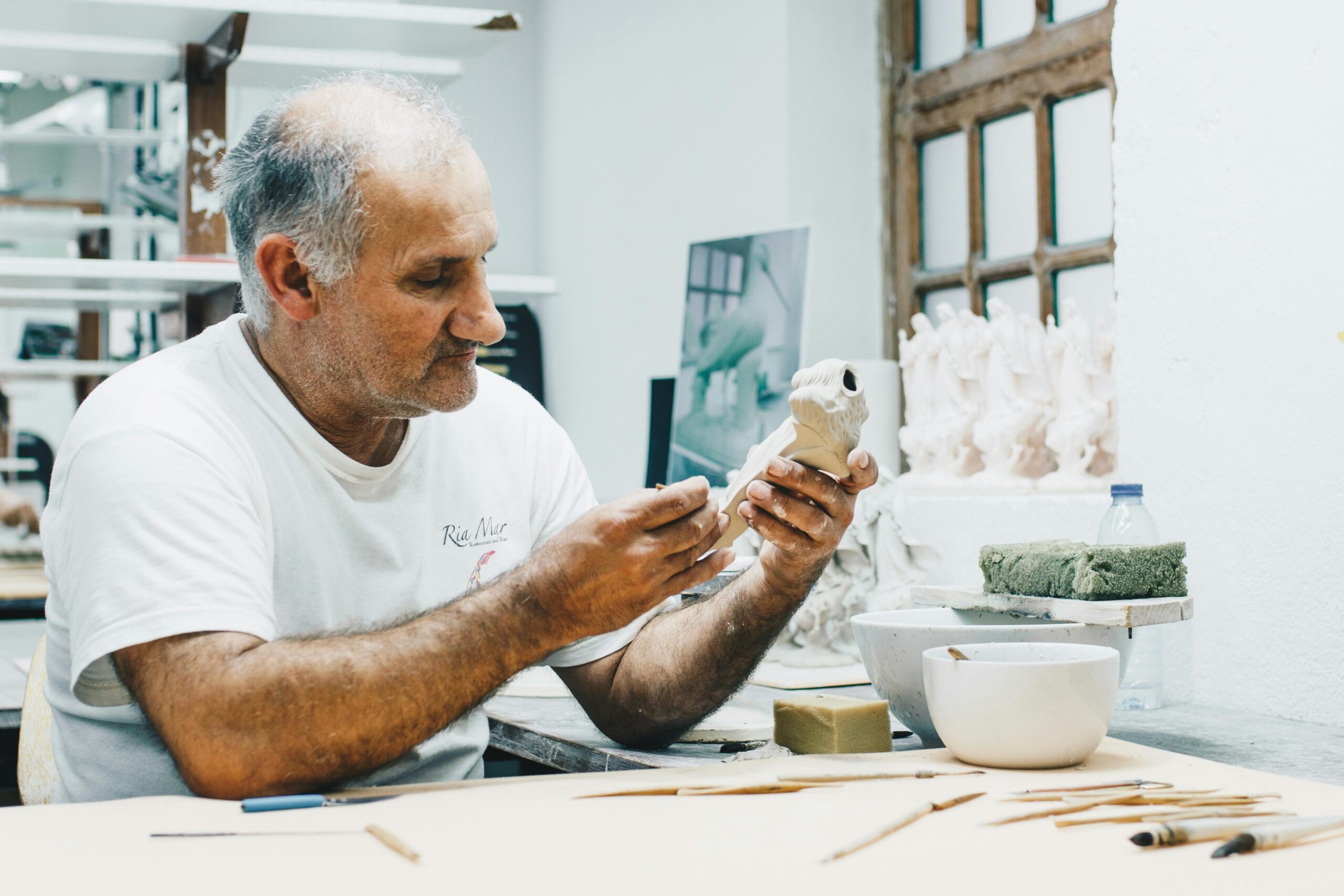
The division of labor has profoundly shaped human civilization, transforming how we collaborate, innovate, and build thriving communities across the globe.

🌍 The Foundation of Human Progress Through Specialized Work
From the earliest days of human settlement, our ancestors recognized a fundamental truth: when individuals focus on specific tasks rather than attempting to master everything, entire communities prosper. This concept, known as the division of labor, represents far more than an economic principle—it embodies a social philosophy that has unlocked unprecedented levels of cooperation, innovation, and mutual dependence among diverse populations.
The ancient craftsmen of Mesopotamia, the agricultural specialists of medieval Europe, and today’s highly specialized tech professionals all share a common thread: they exemplify how dividing complex work into specialized roles creates value that transcends individual capability. This specialization doesn’t merely increase productivity; it fundamentally reshapes social structures, creating interdependence that binds communities together despite their differences.
The Historical Evolution of Work Specialization
The journey of labor division begins in prehistory when early human groups discovered that hunters, gatherers, toolmakers, and caregivers could support each other more effectively than individuals attempting all tasks alone. This primitive specialization laid the groundwork for settled agricultural societies, where farmers, weavers, potters, and blacksmiths formed the backbone of increasingly complex civilizations.
The Industrial Revolution marked a watershed moment in this evolution. Adam Smith’s famous pin factory example illustrated how breaking down production into discrete steps dramatically multiplied output. What Smith observed wasn’t just economic efficiency—it was the birth of modern interdependence, where workers became nodes in vast networks of specialized production.
From Craft Guilds to Global Supply Chains
Medieval guilds represented early formalized systems of labor division, where apprentices, journeymen, and masters each played distinct roles in preserving and advancing craft knowledge. These organizations didn’t just produce goods; they created social structures, identity, and community cohesion through shared professional purpose.
Today’s global supply chains extend this principle across continents. A smartphone requires designers in California, rare earth miners in Africa, semiconductor manufacturers in Taiwan, and assembly workers in China. This intricate web of specialization creates profound interdependence among diverse populations who might never meet but whose livelihoods depend on each other’s expertise.
💼 The Social Architecture of Specialized Societies
When societies embrace division of labor, they don’t simply reorganize work—they reconstruct social relationships. Specialization creates networks of mutual need that transcend traditional boundaries of ethnicity, religion, geography, and culture. The software engineer in Bangalore collaborating with the project manager in Berlin exemplifies how professional interdependence can bridge vast cultural differences.
This interdependence fosters what sociologists call “organic solidarity”—social cohesion based not on similarity but on complementary differences. Unlike traditional societies held together by shared beliefs and customs, modern specialized societies bond through mutual economic and professional necessity. The radiologist reading your X-ray might practice a different religion, speak a different language, and live on a different continent, yet your wellbeing depends on their specialized skill.
Building Bridges Through Professional Identity
Specialization creates professional identities that often supersede other social categories. Engineers, teachers, healthcare workers, and artists frequently identify more strongly with their professional communities than with geographic or ethnic groups. International conferences, professional associations, and online communities demonstrate how specialized expertise creates global tribes united by shared knowledge and practice.
These professional networks become vehicles for cultural exchange and understanding. When colleagues from diverse backgrounds collaborate on shared projects, they naturally develop appreciation for different perspectives, working styles, and problem-solving approaches. The laboratory, construction site, or boardroom becomes a microcosm of functional diversity where differences become assets rather than obstacles.
The Economic Power of Complementary Differences 📊
Economics provides compelling evidence for the power of labor division. Comparative advantage theory demonstrates that even when one party excels at all tasks, specialization and trade benefit everyone. This principle applies equally to individuals, organizations, and nations, revealing how diversity of skills and focus creates collective prosperity.
Consider a hospital: surgeons, nurses, anesthesiologists, radiologists, administrators, and maintenance staff each contribute irreplaceable expertise. No single person could master all these domains, yet their coordinated specialization delivers healthcare outcomes impossible through individual effort. The value created through this division far exceeds what the same number of generalists could achieve.
Innovation Through Cross-Pollination
Paradoxically, specialization also drives innovation through cross-disciplinary collaboration. When specialists from different domains combine their unique perspectives, breakthrough innovations often emerge. Biomedical engineering arose from biologists working with engineers; fintech emerged from financial experts collaborating with technologists; and environmental science synthesizes ecology, chemistry, geology, and social sciences.
The most transformative innovations frequently occur at the intersection of specialized fields. The Human Genome Project succeeded through unprecedented collaboration among geneticists, computer scientists, mathematicians, and engineers. Each brought irreplaceable expertise, and their combined efforts achieved what no single discipline could accomplish alone.
🤝 Social Cohesion Through Mutual Dependence
Critics sometimes argue that specialization fragments societies, creating isolated silos of expertise. However, historical evidence suggests the opposite: specialized societies develop stronger, more resilient social bonds because members recognize their fundamental dependence on others’ contributions.
During crises, this interdependence becomes particularly visible. The COVID-19 pandemic revealed how modern societies rely on countless specialized workers—from vaccine researchers to delivery drivers, from ventilator manufacturers to grocery store clerks. This crisis highlighted the dignity and necessity of every specialized role in maintaining social function.
The Democracy of Essential Work
Labor division reveals an uncomfortable truth for hierarchical thinking: no specialization is truly dispensable. Societies quickly collapse when essential specialists withdraw their contributions, whether they’re sanitation workers, power plant operators, or communications technicians. This mutual dependence creates a practical democracy where every specialized contribution matters.
This recognition can foster humility and appreciation across social divides. The executive depends on the janitor maintaining a safe workplace just as the janitor depends on the executive’s organizational decisions. Both roles are essential; both deserve respect. Labor division thus contains seeds of social equality, even when imperfectly realized.
Education and the Cultivation of Specialized Talent 📚
Modern education systems reflect society’s commitment to cultivating diverse specializations. Universities offer thousands of distinct degree programs, vocational schools train specialized tradespeople, and online platforms enable niche skill development. This educational diversity acknowledges that social flourishing requires a rich ecosystem of varied expertise.
However, effective education for a specialized world must balance depth with breadth. Specialists need deep expertise in their domains while maintaining sufficient general knowledge to collaborate across boundaries. The best specialized professionals combine technical mastery with communication skills, cultural awareness, and systems thinking that help them connect their work to broader social purposes.
Preparing for Evolving Specializations
The specific specializations society needs constantly evolve. Occupations that didn’t exist twenty years ago—social media managers, drone operators, data scientists, renewable energy technicians—now employ millions. Education systems must therefore cultivate not just current specializations but adaptability, critical thinking, and learning agility that enable workers to evolve with changing demands.
This dynamic specialization landscape creates opportunities for individuals to find meaningful niches matching their unique talents and interests. The diversity of available specializations means most people can find work that engages their particular abilities, fostering both personal fulfillment and social contribution.
⚖️ Addressing the Challenges of Hyper-Specialization
Despite its benefits, labor division presents genuine challenges. Hyper-specialization can create communication barriers when specialists develop jargon impenetrable to outsiders. It can foster narrow thinking that loses sight of broader contexts and consequences. And it can create vulnerability when critical specialists become scarce or specialized knowledge becomes obsolete.
Organizations and societies must actively cultivate connectors—individuals who bridge specialized domains through broad knowledge and strong communication skills. These translators, integrators, and synthesizers help specialized experts collaborate effectively, ensuring that divisions of labor enhance rather than hinder coordination.
Preventing Exploitation Through Specialization
Labor division also creates power asymmetries that can enable exploitation. When knowledge becomes highly specialized, information asymmetries emerge between experts and non-experts. Doctors, lawyers, mechanics, and financial advisors possess specialized knowledge that clients must trust, creating opportunities for manipulation.
Addressing this challenge requires professional ethics, regulatory oversight, and efforts to improve general education about specialized domains. Societies must cultivate what might be called “intelligent ignorance”—non-specialists who understand enough about various fields to ask good questions, recognize quality work, and avoid exploitation while respecting genuine expertise.
Technology and the Future of Work Division 🚀
Artificial intelligence and automation are reshaping labor division in fundamental ways. Machines increasingly handle routine specialized tasks, from radiology diagnostics to legal document review, prompting questions about which human specializations remain valuable. However, history suggests that technological change typically creates new specializations rather than eliminating the principle of labor division itself.
Emerging fields like AI ethics, machine learning operations, human-computer interaction design, and algorithmic bias detection represent new specializations created by technological advancement. Rather than making human specialization obsolete, technology shifts which specialized skills society values, requiring workers to adapt and evolve.
The Persistence of Human-Centered Specializations
Certain specializations appear durably human-centered: caregiving, creative work, strategic decision-making, emotional intelligence, and ethical judgment resist full automation. These domains, which require empathy, creativity, moral reasoning, and contextual understanding, will likely define valuable human specializations in increasingly automated economies.
This evolution suggests that future labor division may emphasize complementary human-machine partnerships, where humans specialize in distinctively human capabilities while collaborating with AI systems handling computational and analytical tasks. This partnership represents a new form of labor division extending beyond human workers to include technological agents.
🌟 Cultivating Unity Through Diversity of Purpose
The profound insight offered by labor division is that unity doesn’t require uniformity. Diverse individuals pursuing different specializations can form cohesive, functional communities precisely because their differences are complementary rather than conflicting. The orchestra metaphor captures this beautifully: diverse instruments playing different parts create harmonious music impossible for any single instrument alone.
This principle extends beyond economic productivity to social philosophy. Societies that celebrate diverse talents, cultivate varied specializations, and create structures enabling complementary contributions often prove more innovative, resilient, and inclusive than those demanding conformity. Diversity becomes a strength when differences are organized through effective division of labor.
Recognizing the Dignity in Every Specialization
Perhaps labor division’s greatest social contribution is revealing that every legitimate specialization possesses inherent dignity and value. Whether someone specializes in theoretical physics, plumbing, teaching, farming, or caregiving, their contribution fills an essential niche in society’s complex fabric. This recognition can counter harmful status hierarchies that privilege certain work while denigrating others equally necessary.
Building societies that genuinely honor all legitimate specializations remains an ongoing challenge. Pay disparities, status differences, and cultural narratives often contradict the principle that all essential work deserves respect. Yet the logic of labor division points toward a more egalitarian vision where varied contributions are celebrated rather than ranked.
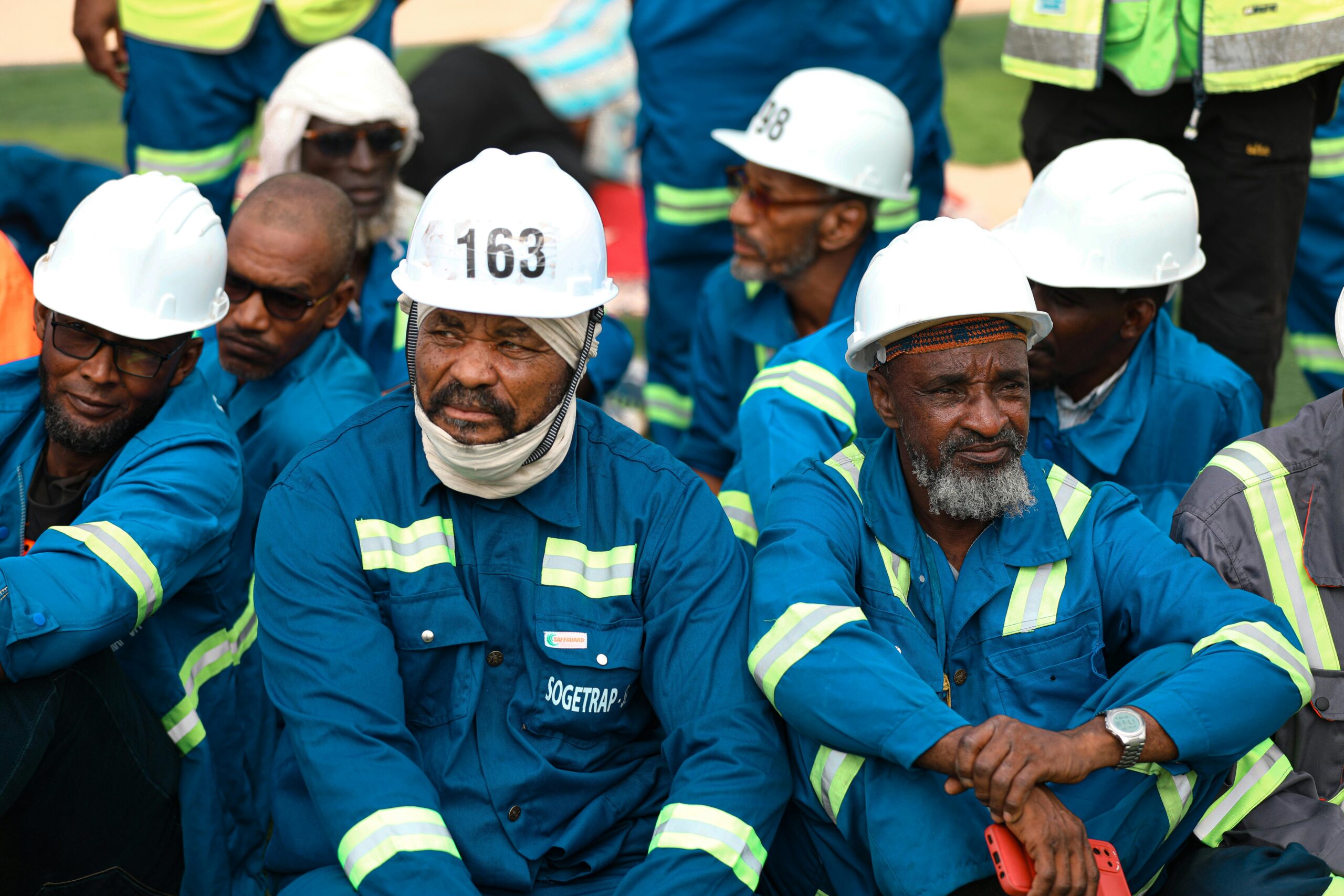
The Path Forward: Strengthening Social Bonds Through Specialized Collaboration
As societies grow more complex and interconnected, effective labor division becomes increasingly critical for addressing global challenges. Climate change, pandemic response, technological governance, and economic development all require coordinated contributions from diverse specialists working across traditional boundaries.
Success requires cultivating both specialized excellence and collaborative capacity. Education systems should develop deep expertise while teaching collaboration skills. Organizations should structure work to leverage specialized knowledge while preventing silos. Policies should recognize how labor division creates interdependence that transcends individual or national interests.
The division of labor ultimately reveals a profound truth about human social organization: we are most powerful not despite our differences but because of them. When diverse individuals with varied talents, interests, and expertise coordinate their specialized contributions, they unlock capabilities far exceeding what uniformity could achieve.
This principle offers hope for increasingly diverse, interconnected societies. Rather than viewing differences as threats to unity, we can recognize them as opportunities for complementary collaboration. The surgeon and the software engineer, the teacher and the farmer, the artist and the accountant—each brings irreplaceable value to the complex system sustaining modern civilization.
By honoring diverse specializations, fostering interdependence, and creating structures enabling effective collaboration across differences, societies can achieve genuine unity through diversity. This unity doesn’t erase differences or demand conformity; instead, it recognizes that our varied contributions create a resilient, innovative, and prosperous whole greater than any individual part. The division of labor thus becomes not merely an economic strategy but a social philosophy celebrating human diversity as the foundation of collective flourishing. ✨