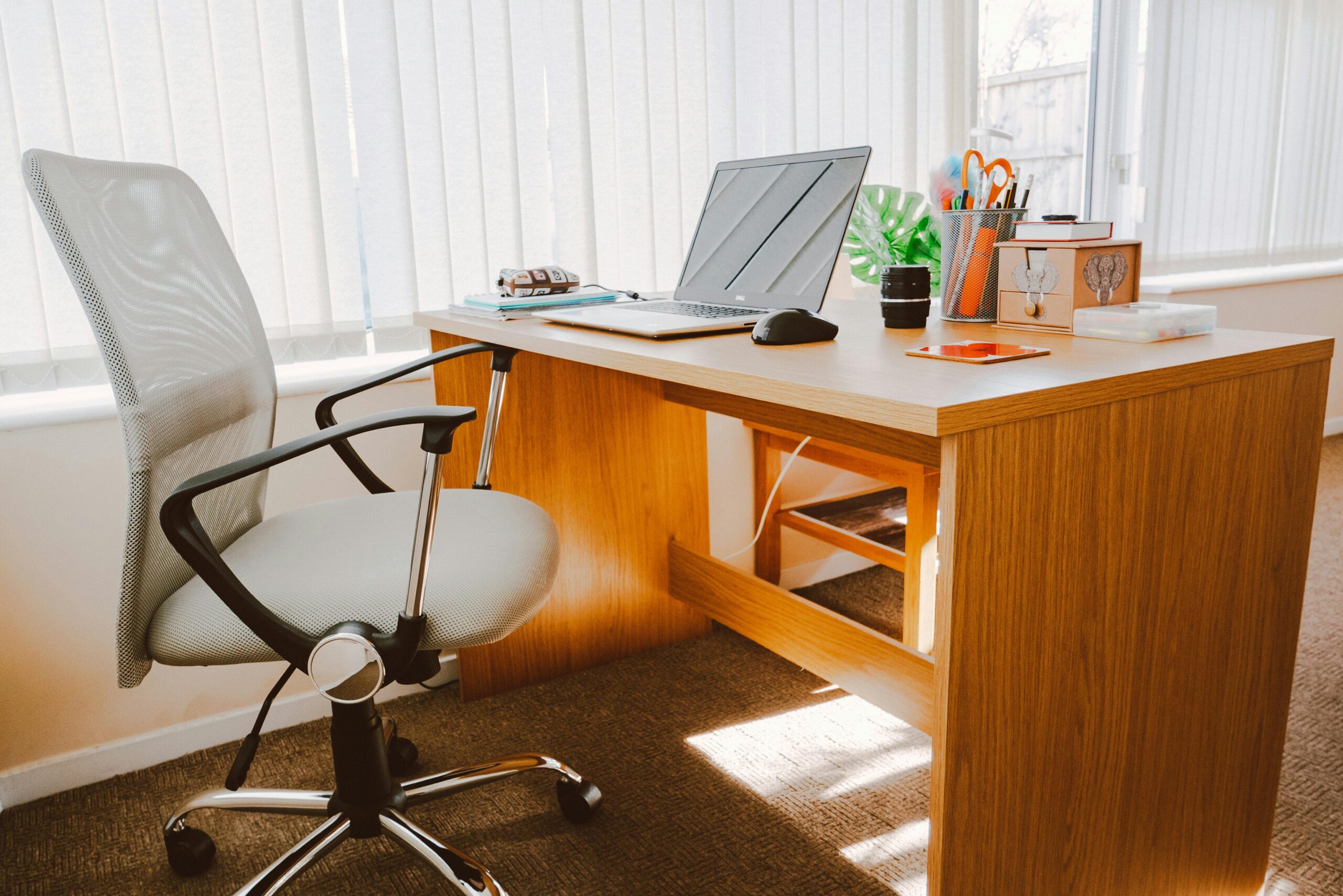
In our increasingly chaotic world, mastering the art of silence and flow has become essential for mental clarity, productivity, and overall well-being.

Whether you’re working from home, managing a busy household, or simply seeking peace in your daily environment, understanding how to control noise levels and optimize your space can dramatically transform your quality of life. The relationship between our surroundings and our mental state is profound, and learning to manipulate these elements gives us unprecedented control over our experiences.
This comprehensive guide will walk you through expert strategies for noise management and spatial optimization, helping you create environments that promote focus, relaxation, and creative flow. From acoustic treatments to mindful design principles, you’ll discover actionable techniques that anyone can implement regardless of budget or living situation.
🎯 Understanding the Science Behind Sound and Space
Before diving into practical solutions, it’s crucial to understand how noise and spatial arrangement affect our cognitive functions and emotional states. Research in environmental psychology consistently demonstrates that our brains process environmental stimuli continuously, even when we’re not consciously aware of it.
Sound pollution has been linked to increased stress hormones, disrupted sleep patterns, reduced productivity, and even cardiovascular problems. When unwanted noise penetrates our space, our bodies remain in a subtle state of alertness, preventing us from achieving deep focus or genuine relaxation. The constant bombardment of auditory information forces our brains to work harder, filtering relevant sounds from background noise.
Spatial flow refers to how easily you can move through and interact with your environment. Poor spatial design creates friction in daily activities, leading to frustration and wasted energy. When your space flows naturally, activities become effortless, allowing you to maintain momentum throughout your day.
🔇 Strategic Noise Reduction Techniques for Every Environment
Managing noise effectively requires a multi-layered approach that addresses both external sounds entering your space and internal sounds bouncing within it. Let’s explore proven techniques that professional acoustic designers use to create peaceful environments.
Soft Furnishings as Sound Absorbers
One of the most accessible and aesthetically pleasing ways to reduce noise is through strategic placement of soft materials. Thick curtains, area rugs, upholstered furniture, and fabric wall hangings all absorb sound waves that would otherwise bounce around your space creating echoes and amplifying noise levels.
Consider adding a thick wool rug to rooms with hard flooring, especially in areas directly above or below other living spaces. Velvet or heavy cotton curtains don’t just block light—they significantly dampen external traffic noise and neighborhood sounds. Cushions, throws, and fabric artwork further contribute to sound absorption while adding visual warmth to your space.
Door and Window Sealing Solutions
Gaps around doors and windows are major culprits for sound leakage. Weather stripping isn’t just for temperature control; it creates an acoustic seal that dramatically reduces noise transmission. For windows, consider adding acoustic caulk around frames and installing cellular shades, which trap air in their honeycomb structure to buffer sound.
Draft stoppers at the base of doors provide immediate improvement for minimal investment. For spaces requiring serious sound isolation, acoustic door sweeps and compression gaskets offer professional-grade solutions that completely seal the perimeter when doors close.
White Noise and Sound Masking Technology
Sometimes the best defense against disruptive noise is strategic counter-sound. White noise machines generate consistent ambient sound that masks irregular noises that would otherwise grab your attention. The human brain finds it easier to ignore steady, predictable sounds than intermittent disruptions.
Modern sound masking goes beyond simple white noise, offering pink noise, brown noise, and nature sounds calibrated to specific frequencies that promote concentration or relaxation. These technologies work by raising the ambient sound floor just enough to make disruptive noises less noticeable without being loud enough to become distracting themselves.
🌊 Creating Flow Through Intentional Space Design
Spatial flow isn’t just about aesthetics—it’s about removing physical and psychological friction from your daily movements and activities. When your environment flows naturally, you’ll notice increased energy, better mood, and enhanced productivity.
The Principle of Functional Zones
Every space should have clearly defined zones based on activities performed there. In your home, create distinct areas for work, relaxation, exercise, and social interaction. Even in small spaces, subtle dividers like rugs, lighting changes, or furniture arrangement can establish psychological boundaries between zones.
This zoning approach helps your brain switch between modes more effectively. When you physically move to your designated work zone, your mind automatically shifts into focus mode. When you transition to your relaxation zone, your body knows it’s time to decompress.
Traffic Pattern Optimization
Observe how you naturally move through your space throughout the day. Are there bottlenecks where you consistently bump into furniture? Do you have to navigate around obstacles to complete routine tasks? These friction points accumulate throughout the day, draining your energy without you realizing it.
Optimal traffic patterns feature clear pathways at least 30-36 inches wide between major areas. Furniture should frame these pathways rather than obstruct them. In smaller spaces, consider multifunctional furniture that can be moved or reconfigured based on different activities.
Visual Flow and the Role of Decluttering
Physical clutter creates mental clutter. When your visual field is bombarded with dozens of items competing for attention, your brain expends energy processing and filtering this information. This cognitive load depletes mental resources you could be using for meaningful activities.
Implement the “one in, one out” rule to maintain equilibrium. Use closed storage solutions to hide necessary items that don’t need to be constantly visible. Keep surfaces mostly clear, displaying only items that serve a functional purpose or bring genuine joy. This approach isn’t about sterile minimalism—it’s about intentional curation.
🎨 Sensory Harmony: Beyond Sound and Space
While this guide focuses on noise and spatial flow, these elements don’t exist in isolation. A truly transformative environment considers all sensory inputs working in harmony to create your desired atmosphere.
Lighting as a Flow Facilitator
Lighting profoundly affects both perceived space and emotional state. Natural light should be maximized wherever possible, as it regulates circadian rhythms and boosts mood. Layer artificial lighting with ambient, task, and accent sources to create flexibility for different activities and times of day.
Warm lighting promotes relaxation and social interaction, while cooler lighting enhances alertness and concentration. Dimmable fixtures give you control to adjust lighting to match your needs throughout the day, supporting your natural rhythm rather than fighting against it.
Scent and Air Quality Management
Air quality affects cognitive performance and overall comfort in measurable ways. Poor ventilation leads to CO2 buildup, causing drowsiness and difficulty concentrating. Introducing plants that purify air, using quality air filters, and ensuring proper ventilation all contribute to an environment that supports rather than hinders your goals.
Strategic scent use through essential oils, candles, or reed diffusers can anchor different zones to specific activities. Peppermint and citrus promote alertness in work areas, while lavender and chamomile support relaxation in rest zones.
💼 Workplace Applications: Offices and Productive Spaces
Whether you work from home or in a traditional office, applying noise and flow management principles to work environments yields measurable productivity improvements and reduced stress levels.
Home Office Optimization Strategies
Position your workspace away from high-traffic household areas when possible. If space limitations make this impossible, use acoustic panels or room dividers to create both visual and auditory separation. Noise-canceling headphones provide portable isolation when physical barriers aren’t sufficient.
Arrange your desk so you face away from distracting views or toward inspiring elements like windows with nature views. Keep only current project materials within reach, storing everything else out of immediate sight. This reduces visual clutter while maintaining easy access to tools you actually need.
Open Office Noise Management
Open offices present unique challenges since you control less of the environment. Personal acoustic panels for desk areas, strategic use of headphones during focus work, and advocating for designated quiet zones can help. Scheduling deep work during typically quieter times and protecting these blocks on your calendar prevents unnecessary disruptions.
When designing or influencing office spaces, push for sound-absorbing ceiling treatments, carpeted floors, and acoustic panels between workstations. These investments pay dividends in employee satisfaction and productivity.
🏠 Residential Transformation: Room-by-Room Applications
Different rooms serve different purposes and therefore require customized approaches to noise management and flow optimization. Let’s explore specific strategies for the most important spaces in your home.
Bedroom Sanctuaries for Restorative Sleep
Quality sleep depends heavily on environmental factors. Your bedroom should be the quietest room in your home, with blackout curtains, adequate soundproofing, and minimal electronic devices. Position your bed away from shared walls with noisy areas and consider acoustic panels behind the headboard if noise from neighbors or other rooms penetrates.
The bedroom flow should support a calming nighttime routine. Remove work materials, exercise equipment, and anything associated with stressful activities. Create a clear path from door to bed with dim pathway lighting for nighttime navigation without fully waking.
Living Areas That Balance Energy and Calm
Living rooms often need to accommodate multiple activities—from lively gatherings to quiet reading. Flexible furniture arrangements allow you to reconfigure the space for different purposes. Area rugs define conversation zones while absorbing sound. Bookshelves filled with books provide excellent sound diffusion while serving their primary storage purpose.
Consider how conversations flow in your seating arrangement. Chairs and sofas should be positioned to facilitate easy eye contact without requiring people to twist uncomfortably or shout across distances.
Kitchens: Managing the Noisiest Space
Kitchens generate significant noise from appliances, running water, and food preparation. Choose quieter appliances when replacing older models—modern dishwashers and range hoods offer surprisingly quiet operation. Soft-close cabinet hinges eliminate slamming sounds that reverberate through the home.
Kitchen flow should follow the classic work triangle principle between refrigerator, sink, and stove. Clear countertop space for food preparation and logical storage placement reduces unnecessary movement and frustration during cooking.
🔧 Advanced Techniques for Sound Professionals
For those seeking maximum noise control, professional-grade solutions offer dramatic improvements beyond basic strategies.
Acoustic Panel Installation
Acoustic panels absorb specific frequencies, preventing sound from bouncing around rooms. Strategic placement at primary reflection points—typically on walls at ear level and ceiling areas where sound naturally reflects—provides targeted absorption where it matters most.
DIY panels can be constructed affordably using rigid fiberglass board and fabric, or professional options offer premium aesthetics and performance. Calculate your room’s acoustic needs based on dimensions and surfaces to determine optimal panel coverage.
Structural Modifications for Serious Soundproofing
When standard techniques aren’t sufficient, structural modifications provide substantial improvements. Adding mass-loaded vinyl behind drywall, installing resilient channels that decouple wall surfaces, or constructing double-wall assemblies with air gaps can achieve professional studio-level isolation.
These interventions require significant investment but deliver transformative results for home studios, music rooms, or bedrooms in particularly noisy environments.
🧘 Mindful Practices: The Human Element of Environmental Mastery
Even perfectly optimized spaces can’t eliminate all noise or create absolute flow. Developing mental resilience and adaptive practices ensures you can find peace and productivity in imperfect conditions.
Attention Training and Selective Focus
Meditation and mindfulness practices strengthen your ability to maintain focus despite environmental distractions. Regular practice rewires your brain’s response to interruptions, making you less reactive to unavoidable noise and disruptions.
Start with five minutes daily of focused attention on your breath or a single point, gently returning attention when it wanders. This mental training translates directly to improved concentration in challenging environments.
Routine and Ritual as Environmental Anchors
Consistent routines create psychological environments that support your goals regardless of physical circumstances. Morning rituals signal your brain that it’s time to engage, while evening wind-down routines promote relaxation. These temporal structures create flow through your day, complementing your physical space optimization.
🌟 Measuring Success and Continuous Improvement
Environmental optimization is an ongoing process rather than a one-time project. Regular assessment ensures your space continues serving your evolving needs.
Track subjective metrics like focus quality, stress levels, and sleep satisfaction before and after implementing changes. Notice which modifications deliver the greatest impact for you personally. Environmental needs vary significantly between individuals, so customize solutions to your specific sensitivities and preferences.
Conduct quarterly space audits, questioning whether each area still serves its intended purpose effectively. As life circumstances change, your environmental needs shift accordingly. Remaining flexible and responsive keeps your space aligned with current goals rather than past configurations.

🎭 Embracing Imperfection While Pursuing Excellence
The goal isn’t creating a perfectly silent, flawlessly flowing environment—such spaces often feel sterile and uncomfortable. Instead, aim for meaningful improvement that supports your specific activities and wellbeing.
Some background noise can actually enhance creativity and productivity for certain people. Complete silence sometimes feels oppressive rather than peaceful. Honor your authentic preferences rather than pursuing an idealized standard that doesn’t serve you.
Environmental mastery means understanding the relationship between your surroundings and your inner state, then intentionally shaping that relationship. It’s about claiming agency over your experience rather than passively accepting whatever environment circumstances provide.
Start with small, affordable changes that address your most significant pain points. Build momentum through quick wins before tackling larger projects. The transformation happens incrementally through consistent attention rather than dramatic overnight renovation.
Your environment shapes your days, and your days shape your life. By mastering silence and flow through expert noise and space management, you’re not just creating prettier or quieter rooms—you’re architecting the backdrop against which your best life unfolds. Every modification that reduces friction, every sound barrier that creates peace, and every spatial adjustment that promotes flow is an investment in your future self, compounding daily into a dramatically enhanced quality of life.