Standardized workstations are revolutionizing how businesses operate, creating consistent environments that enhance employee performance while reducing operational complexity and costs. 🚀

In today’s fast-paced business landscape, organizations face increasing pressure to maximize productivity while maintaining operational efficiency. The physical and digital workspace plays a crucial role in determining how effectively teams collaborate, communicate, and deliver results. Standardized workstations have emerged as a strategic solution that addresses these challenges by creating uniform, optimized environments across entire organizations.
The concept of workspace standardization extends beyond simply purchasing identical desks and chairs. It encompasses a comprehensive approach to designing work environments that support consistent workflows, reduce technical friction, and enable employees to perform at their peak regardless of where they sit within the organization. This systematic approach to workspace design has become increasingly relevant as companies navigate hybrid work models, expanding teams, and evolving technological requirements.
The Foundation of Workspace Standardization 🏗️
Standardized workstations represent a deliberate strategy to create uniformity across an organization’s physical and digital infrastructure. This approach ensures that every employee, regardless of their role or location within the company, has access to the same quality of tools, technology, and environmental conditions necessary to perform their job effectively.
At its core, standardization addresses one of the most persistent challenges in modern workplaces: variability. When employees work with different equipment, software configurations, or workspace setups, organizations encounter numerous inefficiencies. These range from increased IT support requirements to knowledge transfer difficulties and inconsistent output quality.
The standardized approach creates a baseline of consistency that becomes the foundation for all other operational improvements. When everyone works within the same parameters, training becomes more efficient, troubleshooting becomes faster, and best practices can be more easily identified and replicated across teams.
Components of a Standardized Workstation
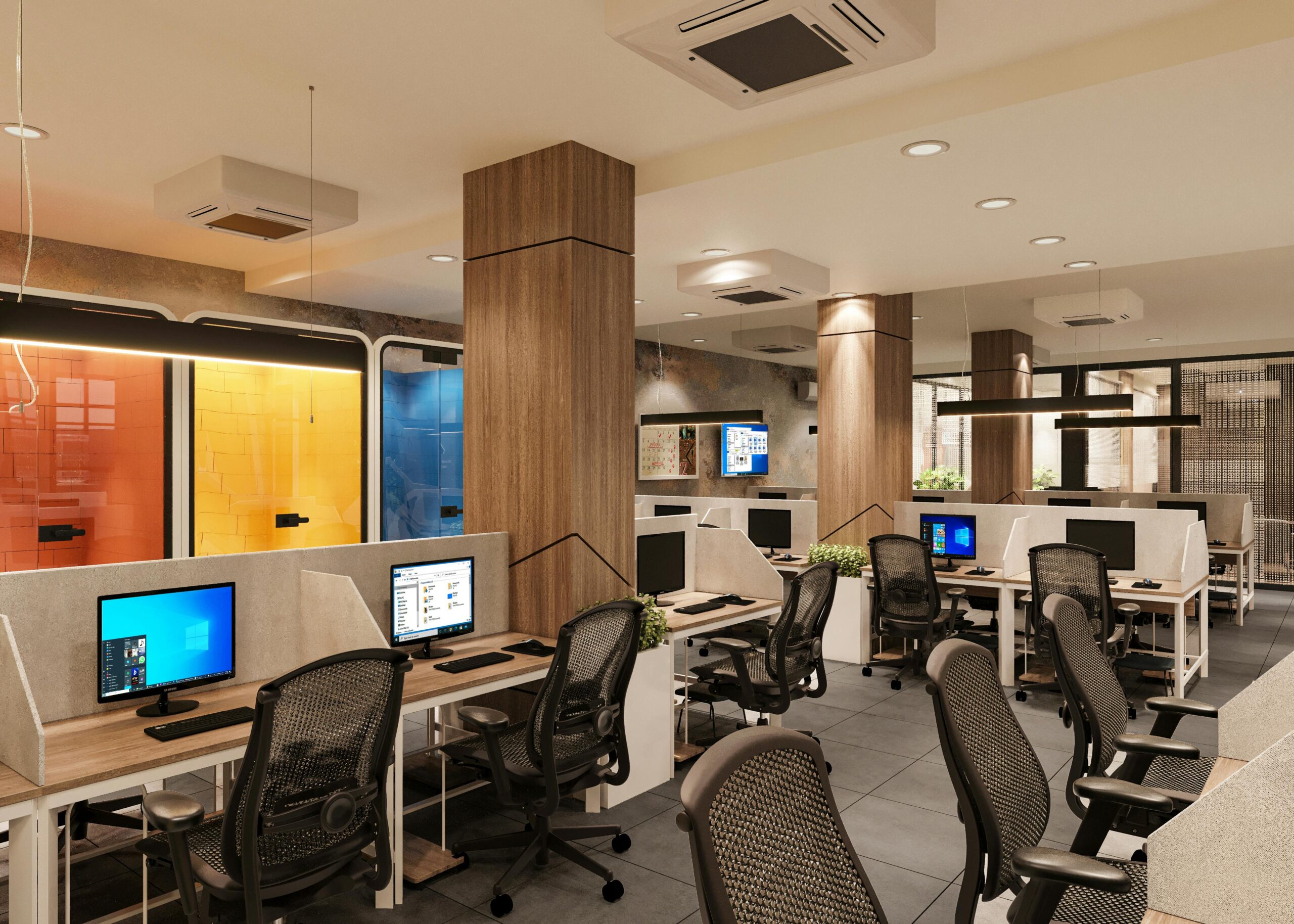
A truly standardized workstation encompasses multiple elements working in harmony. The physical workspace includes ergonomic furniture designed to support proper posture and reduce fatigue during extended work sessions. This typically includes adjustable desks, supportive chairs, appropriate lighting, and organized cable management systems that minimize clutter and distraction.
The technological infrastructure forms another critical component. This includes standardized computer hardware with consistent specifications, uniform operating systems and software suites, peripheral devices like monitors, keyboards, and mice, and standardized network connectivity solutions. By maintaining consistency across these elements, organizations eliminate the compatibility issues and performance discrepancies that often plague diverse IT environments.
Productivity Gains Through Consistency 📈
The productivity benefits of standardized workstations manifest in multiple ways throughout an organization. When employees move between workspaces or collaborate across departments, they encounter familiar environments that require zero adjustment time. This seamless transition capability becomes particularly valuable in hot-desking scenarios and flexible office arrangements.
Training efficiency improves dramatically when instructors can reference consistent equipment and configurations. New employees reach full productivity faster because onboarding materials remain relevant regardless of when or where someone joins the company. Technical documentation maintains its accuracy longer, reducing the need for constant updates and revisions.
Collaboration becomes more fluid when team members share common technological platforms and workspace configurations. Screen sharing, file transfers, and joint problem-solving sessions proceed without the friction introduced by incompatible systems or unfamiliar setups. This consistency extends to remote collaboration, where standardized home office setups ensure that distributed teams maintain equal capabilities.
Measuring the Impact on Efficiency
Organizations that implement standardized workstations often track specific metrics to quantify their impact. Time-to-productivity for new hires typically decreases by 25-40% when standardization is in place. IT support tickets related to workspace issues often drop by 30-50% as common configurations reduce technical problems and make troubleshooting more straightforward.
Employee satisfaction scores frequently improve as well, reflecting reduced frustration with technical issues and appreciation for well-designed, consistent work environments. These improvements translate directly to retention benefits and reduced recruitment costs over time.
Cost Optimization Through Strategic Standardization 💰
While implementing standardized workstations requires upfront investment, the long-term cost benefits are substantial. Bulk purchasing of identical equipment enables organizations to negotiate better prices with vendors. Volume discounts on furniture, computers, monitors, and peripherals can reduce per-unit costs by 15-30% compared to ad-hoc purchasing.
Maintenance and support costs decrease significantly when IT departments work with a limited set of standardized configurations. Technicians develop deep expertise with specific hardware and software combinations, enabling faster problem resolution. Spare parts inventory becomes more efficient, as organizations need to stock fewer varieties of components.
The extended lifecycle of standardized equipment provides additional savings. When organizations purchase high-quality standardized equipment and maintain it properly, they can extend replacement cycles while maintaining consistent performance. This approach contrasts sharply with environments where equipment variety leads to premature obsolescence and forced upgrades.
Total Cost of Ownership Analysis
A comprehensive total cost of ownership analysis reveals the true financial impact of standardization. Beyond initial purchase prices, organizations must consider installation costs, training expenses, ongoing maintenance, energy consumption, and eventual disposal or recycling. Standardization positively impacts each of these categories by creating economies of scale and operational efficiencies.
Energy efficiency improves when organizations can select standardized equipment based on power consumption metrics. A uniform fleet of energy-efficient monitors and computers can reduce electricity costs by thousands of dollars annually in medium to large organizations. Environmental benefits accompany these savings, supporting corporate sustainability goals.
Implementing Standardization in Existing Workspaces 🔄
Transitioning from a diverse workspace environment to a standardized model requires careful planning and execution. Organizations should begin with a comprehensive audit of existing equipment, workspace configurations, and employee needs. This assessment identifies gaps, redundancies, and opportunities for improvement.
Phased implementation typically proves more successful than attempting complete transformation overnight. Many organizations begin standardization with new hires or specific departments, gradually expanding the program as benefits become evident and budget allows. This approach minimizes disruption while building internal support for the initiative.
Employee input should inform standardization decisions. Surveys, focus groups, and pilot programs help identify which features and configurations best support diverse work styles and job requirements. While complete uniformity is the goal, successful standardization accounts for legitimate role-based variations without compromising the core principle of consistency.
Overcoming Resistance to Change
Resistance to workspace standardization often stems from employees’ attachment to familiar equipment or concerns about losing personalization options. Effective change management addresses these concerns through clear communication about benefits, opportunities for feedback, and appropriate transition support.
Demonstrating respect for employee preferences while explaining the organizational rationale for standardization helps build acceptance. Many organizations find success by standardizing core elements while allowing limited personalization through approved accessories, desktop arrangements, or decorative items that don’t compromise ergonomic principles.
Technology Integration and Digital Workspace Standards 💻
Modern standardized workstations extend beyond physical equipment to encompass digital workspace standards. Operating system configurations, software suites, security protocols, and cloud access parameters should maintain consistency across the organization. This digital standardization ensures that employees experience identical capabilities regardless of which physical workstation they occupy.
Cloud-based productivity platforms align naturally with standardization initiatives. When applications and data reside in the cloud with standardized access protocols, the physical device becomes less critical to maintaining productivity. Employees can work from any standardized workstation and immediately access their complete digital workspace.
Security benefits accompany digital standardization. Uniform security configurations, automatic updates, and consistent access controls reduce vulnerability to cyber threats. IT security teams can more effectively monitor and protect a standardized environment compared to diverse systems with varying security postures.
Mobile Device Integration
Standardized workstations should integrate seamlessly with mobile devices that employees use for work purposes. Whether through unified communication platforms, synchronized cloud storage, or standardized mobile device management solutions, the principle of consistency extends to smartphones and tablets that supplement desktop workstations.
Organizations implementing mobile device standardization often provide company-issued devices with pre-configured applications and security settings. This approach ensures consistent capabilities and protections while simplifying technical support and compliance management.
Ergonomics and Employee Wellness in Standardized Spaces 🧘
Workplace ergonomics represents a critical component of effective standardization. Properly designed standardized workstations reduce the risk of repetitive strain injuries, back problems, and other musculoskeletal disorders that result from poor workspace design. These health benefits translate directly to reduced absenteeism and workers’ compensation claims.
Adjustable furniture allows standardized workstations to accommodate diverse body types and work preferences. Sit-stand desks, for example, can be standardized across an organization while still supporting individual adjustment to optimal heights. Monitor arms, keyboard trays, and footrests provide similar flexibility within a standardized framework.
Lighting standardization ensures consistent illumination levels that reduce eye strain and headaches. Organizations can specify LED lighting systems with appropriate color temperature and intensity, potentially incorporating automatic adjustment based on available natural light. This attention to environmental factors contributes to sustained energy and focus throughout the workday.
Acoustic Considerations
Standardized workspace design should address acoustic environments to minimize distracting noise while supporting necessary collaboration. Sound-absorbing materials, standardized headphone policies, and designated quiet zones create consistent acoustic experiences that support concentration and productivity.
When organizations standardize acoustic treatments, employees develop accurate expectations about where they can conduct calls, collaborate with colleagues, or focus on individual tasks. This predictability reduces workplace friction and supports more effective space utilization.
Future-Proofing Through Modular Standardization 🔮
Effective standardization strategies incorporate flexibility to accommodate technological advancement and changing business needs. Modular approaches allow organizations to update specific components without completely replacing entire workstation systems. This adaptability protects initial investments while enabling continuous improvement.
Hardware standardization should focus on specifications rather than specific models, allowing periodic upgrades to newer equipment that meets or exceeds established performance standards. This approach ensures that standardization doesn’t become obsolescence, as organizations can refresh their workstation fleet while maintaining operational consistency.
Software standardization benefits from similar forward-thinking approaches. Cloud-based applications with regular feature updates maintain consistency through common interfaces and functionality while continuously improving capabilities. This model contrasts with legacy software approaches where version fragmentation undermines standardization benefits.
Driving Cultural Transformation Through Physical Consistency 🌟
Standardized workstations contribute to organizational culture beyond their functional benefits. Physical consistency reinforces messages about equality, professionalism, and organizational identity. When executives use the same quality workstations as entry-level employees, it demonstrates commitment to egalitarian values and shared purpose.
Visual consistency across workspaces strengthens brand identity and creates professional impressions for clients and visitors. A well-designed, uniform workspace communicates organizational competence and attention to detail. These subtle messages influence how employees, customers, and partners perceive the company.
The discipline required to implement and maintain standardization often catalyzes broader operational improvements. Organizations that successfully standardize workspaces typically develop capabilities in process documentation, change management, and systematic problem-solving that benefit other business areas.
Creating Your Standardization Roadmap 🗺️
Organizations embarking on workspace standardization should develop comprehensive roadmaps that outline objectives, timelines, and success metrics. This planning process begins with clearly defined goals that connect workspace improvements to business outcomes such as productivity gains, cost reductions, or employee satisfaction improvements.
Budget allocation should reflect both initial implementation costs and ongoing maintenance requirements. Realistic financial planning prevents mid-project funding shortfalls that could compromise standardization quality or completeness. Many organizations find that phased implementation allows them to demonstrate ROI early, building support for continued investment.
Stakeholder engagement throughout the planning and implementation process ensures that standardization efforts address real needs and gain necessary support. Cross-functional teams representing IT, facilities management, human resources, and end-users bring diverse perspectives that strengthen final outcomes.
Measuring Success and Continuous Improvement
Establishing clear metrics before implementation enables accurate assessment of standardization impact. Relevant measurements might include productivity indicators, IT support ticket volumes, employee satisfaction scores, workspace utilization rates, and total cost of ownership calculations. Regular measurement against baseline data demonstrates progress and identifies opportunities for refinement.
Continuous improvement processes ensure that standardization evolves with organizational needs. Regular reviews of workspace performance, employee feedback sessions, and technology assessments inform ongoing optimization efforts. This commitment to evolution prevents standardization from becoming stagnation.
Unlocking Organizational Potential Through Workspace Excellence ✨
Standardized workstations represent far more than a facilities management strategy. They embody a comprehensive approach to creating work environments that amplify human potential while optimizing organizational resources. The consistency they provide becomes the foundation for excellence in operations, culture, and business outcomes.
Organizations that embrace workspace standardization position themselves for sustainable competitive advantage. Employees work more efficiently in well-designed, consistent environments. IT teams support standardized systems more effectively. Financial performance improves through cost optimization and productivity gains. These benefits compound over time, creating substantial cumulative impact.
The journey toward fully standardized workspaces requires commitment, investment, and patience. However, organizations that complete this transformation consistently report that the benefits far exceed the costs. Improved productivity, enhanced employee satisfaction, reduced operational complexity, and stronger organizational culture represent returns that continue delivering value year after year.
As work continues evolving with technological advancement and changing employee expectations, the principles underlying workspace standardization remain constant. Consistency, quality, and thoughtful design create environments where people thrive and organizations succeed. By implementing standardized workstations, companies invest in their most valuable asset—their people—while building operational excellence that supports long-term growth and success.