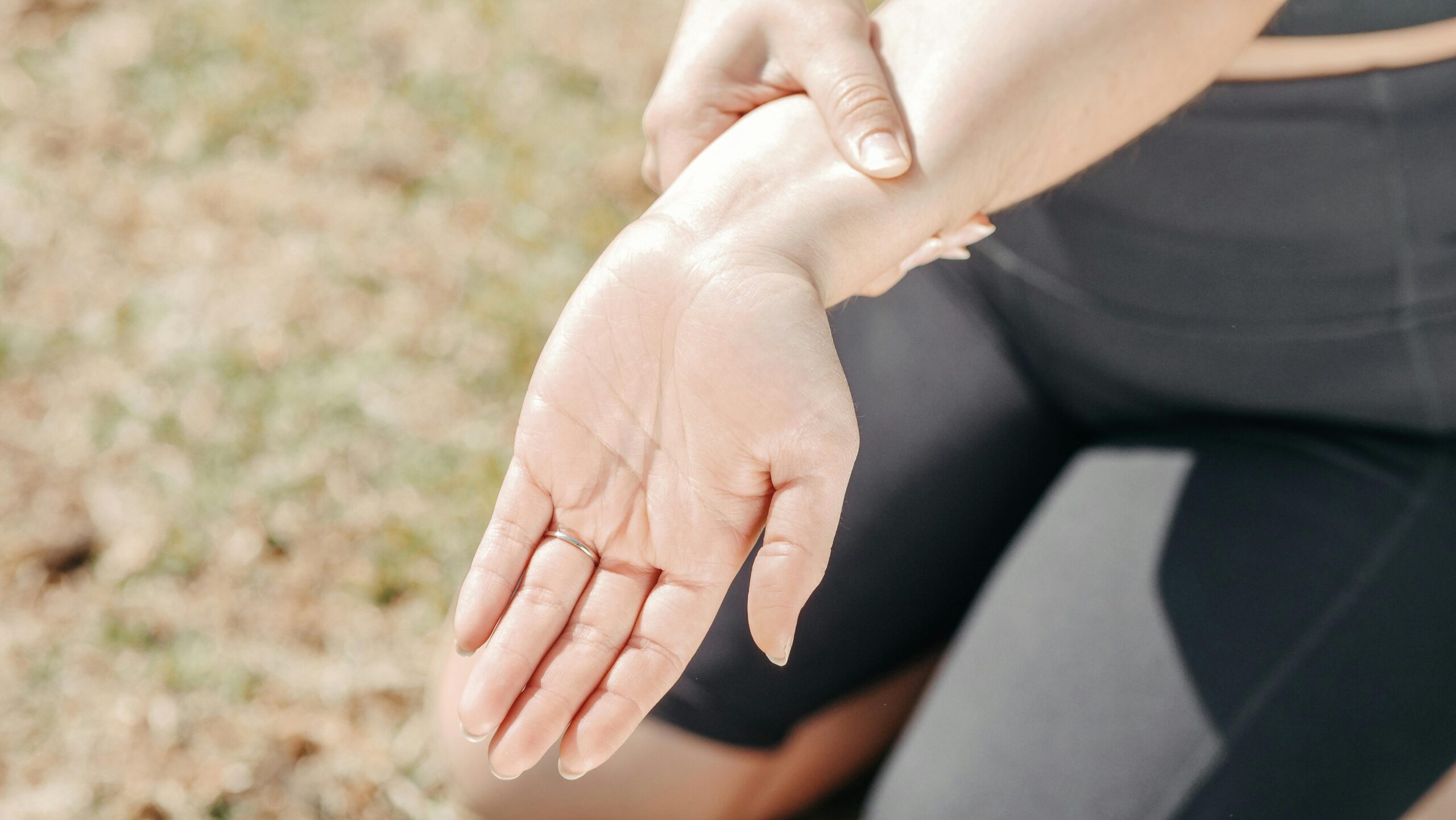
Understanding how your body distributes weight and force during movement is fundamental to achieving optimal performance, preventing injuries, and moving with grace and efficiency throughout your daily life.

🎯 The Foundation: Why Load Distribution Matters
Physical load distribution refers to how forces, pressures, and weight spread across your body’s structures during static positions and dynamic movements. Whether you’re standing still, walking, running, lifting objects, or performing complex athletic maneuvers, your body constantly manages and redistributes mechanical loads through bones, joints, muscles, and connective tissues.
Poor load distribution creates concentration points where excessive stress accumulates in specific areas. This imbalance leads to compensatory patterns, chronic pain, reduced performance, and increased injury risk. Conversely, optimal load distribution spreads forces evenly, allowing your body to function as an integrated system where no single component bears disproportionate burden.
The human body evolved as a remarkable weight-bearing structure, but modern lifestyles often disrupt our natural movement patterns. Prolonged sitting, repetitive motions, inadequate training, and improper technique create asymmetries that compromise our biomechanical efficiency. Mastering load distribution requires understanding both the principles governing force transmission and practical strategies for implementing them.
⚖️ The Biomechanical Principles Behind Balanced Loading
Your body functions as an interconnected kinetic chain where movement and force in one area affects the entire system. When you lift an object, forces travel from your hands through your arms, shoulders, spine, pelvis, legs, and feet before dissipating into the ground. Optimal performance depends on each link in this chain functioning properly and transferring loads efficiently.
Ground reaction forces play a crucial role in load distribution. Every time your foot contacts the ground during walking or running, the ground pushes back with equal force. How your body absorbs and redirects these forces determines whether movement feels effortless or exhausting, smooth or jarring.
Center of Mass and Base of Support
Your center of mass, located roughly at your pelvis when standing, represents the average position of your body’s mass. Your base of support encompasses the area between and including your contact points with the ground. The relationship between these two factors fundamentally influences stability and load distribution.
When your center of mass falls within your base of support, you maintain balance with minimal muscular effort. Moving your center of mass toward the edge of your base requires increased muscle activation to prevent falling. Widening your base of support increases stability but may reduce mobility, while narrowing it enhances agility but requires greater control.
🏃 Dynamic Load Management During Movement
Walking demonstrates elegant load distribution in action. During the gait cycle, your body continuously shifts weight from one leg to the other while maintaining forward momentum. The heel strike absorbs initial impact forces, the midfoot adapts to terrain variations, and the forefoot propels you forward. This rolling motion distributes forces across multiple joints and muscles rather than concentrating stress in any single area.
Running amplifies these forces significantly, with impact loads reaching two to three times your body weight with each footfall. Elite runners instinctively optimize their load distribution through proper stride mechanics, landing patterns, and postural alignment. Their bodies act as efficient springs, storing and releasing elastic energy with minimal wasted motion.
The Role of Cadence and Stride Length
Manipulating your step frequency and stride length dramatically affects load distribution during running and walking. Higher cadence with shorter strides typically reduces impact forces at each footfall while increasing the total number of steps. This distribution strategy often proves beneficial for injury prevention, though individual biomechanics vary considerably.
Overstriding, characterized by landing with your foot far ahead of your center of mass, creates braking forces that must be overcome with each step. This inefficient pattern increases energy expenditure and concentrates excessive loads on your knees and hips. Correcting stride mechanics to land with your foot closer to your center of mass improves load distribution and movement economy.
💪 Strength Training and Load Distribution
Resistance training provides an ideal laboratory for understanding and practicing proper load distribution. Every lift requires managing external loads while maintaining structural integrity and efficient force production. The difference between safe, effective training and injury-producing patterns often comes down to load distribution quality.
Consider the squat, a fundamental movement pattern that mirrors everyday activities like sitting and standing. Optimal squat mechanics distribute loads across your ankles, knees, hips, and spine in balanced proportions. Allowing your knees to collapse inward or your weight to shift onto your toes creates dangerous load concentrations that stress specific structures beyond their capacity.
Postural Alignment and Neutral Spine
Maintaining a neutral spine position during loaded movements ensures optimal force transmission through your vertebral column. When your spine deviates from neutral into excessive flexion or extension, loads concentrate on passive structures like ligaments and intervertebral discs rather than distributing across active muscular support.
Your ribcage and pelvis positioning fundamentally influences spinal loading. Anterior pelvic tilt combined with rib flare creates excessive lumbar extension, while posterior pelvic tuck often produces lumbar flexion. Finding neutral positions where your ribs align over your pelvis allows your core musculature to function optimally, distributing loads evenly throughout your trunk.
🧘 Posture and Static Load Distribution
Standing posture reveals much about how effectively your body distributes gravitational loads. Ideal alignment positions your ears over your shoulders, shoulders over hips, and hips over ankles, creating a vertical line that minimizes muscular effort required to maintain upright position.
Common postural deviations create problematic load distributions. Forward head posture shifts your head’s weight forward, forcing neck and upper back muscles to work continuously against gravity. Over time, this chronic loading produces muscle fatigue, trigger points, and joint dysfunction. Similarly, anterior pelvic tilt and excessive lumbar lordosis concentrate compressive forces on posterior spinal structures.
Sitting Mechanics and Spinal Loading
Sitting increases intradiscal pressure compared to standing, particularly when slouching forward. The combination of spinal flexion and sustained loading creates conditions favoring disc degeneration and pain. Optimizing sitting posture involves maintaining lumbar support, positioning your pelvis neutrally, and distributing weight evenly across both sitting bones.
Regular position changes prove more important than any single “perfect” posture. Your body thrives on movement variety, and static positions inevitably create localized stress regardless of alignment quality. Alternating between sitting, standing, and movement throughout your day distributes accumulated loads across different structures and prevents overuse patterns.
🏋️ Lifting Mechanics: Distributing External Loads Safely
Lifting objects from the ground exemplifies practical load distribution challenges. Two primary strategies exist: the squat lift emphasizing leg drive and the hip hinge emphasizing posterior chain involvement. Both methods can distribute loads effectively when executed properly, though specific situations favor particular approaches.
The key principle involves keeping loads close to your body’s center of mass. Every inch an object moves away from your midline exponentially increases the moment arm and thus the force required from your back muscles and spinal structures. Lifting a twenty-pound object at arm’s length creates significantly greater spinal loading than lifting a fifty-pound object held close to your torso.
Bilateral Versus Unilateral Loading
Carrying loads symmetrically with both arms distributes forces evenly across your body, maintaining balanced alignment. Unilateral loading, such as carrying a heavy bag on one shoulder, creates asymmetrical forces requiring compensatory muscular activation and spinal positioning to maintain balance.
While chronic asymmetrical loading patterns contribute to imbalances, occasional unilateral loading actually provides valuable training stimulus. Frequently switching sides when carrying bags or performing single-arm exercises develops your body’s capacity to manage asymmetrical forces effectively.
👟 Footwear and Ground Contact Optimization
Your feet form the foundation of your kinetic chain, making foot-ground interface critical for load distribution. Footwear significantly influences how forces transmit from the ground through your body. Highly cushioned shoes absorb impact but may reduce proprioceptive feedback and alter natural movement patterns. Minimalist footwear maintains ground feel but requires adapted movement strategies to manage impact forces.
Foot arch structure and function affect load distribution across your foot’s multiple contact points. The longitudinal arch acts as a dynamic spring system, storing and releasing energy during movement. Flat feet or excessively high arches may distribute loads unevenly, potentially contributing to problems throughout the kinetic chain.
Ankle Mobility and Load Absorption
Adequate ankle dorsiflexion range of motion allows your shin to move forward over your foot during squatting, lunging, and descending stairs. Limited ankle mobility forces compensations elsewhere in the kinetic chain, often producing excessive forward lean or foot pronation that compromises load distribution.
Your ankle joint complex absorbs and dissipates ground reaction forces during dynamic activities. Stiff ankles transmit forces rapidly upward through the kinetic chain with minimal dampening, while appropriately mobile ankles allow gradual force absorption distributed across multiple joints and soft tissues.
🎪 Balance Training and Load Distribution Mastery
Deliberate balance training enhances your nervous system’s capacity to manage load distribution dynamically. Single-leg standing, unstable surface training, and movement transitions challenge your body to continuously adjust force distribution in response to changing conditions.
Proprioception, your body’s sense of position and movement, provides essential feedback for load distribution adjustments. Enhanced proprioceptive awareness allows you to detect and correct subtle asymmetries before they develop into problematic patterns. Balance training systematically improves proprioceptive capabilities.
Progressive Instability Challenges
Progression in balance training involves systematically increasing task difficulty while maintaining movement quality. Standing on firm ground with eyes open represents the easiest level, while single-leg standing on unstable surfaces with eyes closed approaches maximum difficulty. Intermediate progressions might include tandem stance, narrow bases of support, or dynamic weight shifts.
The goal involves expanding your stability envelope—the range of perturbations you can handle while maintaining control. A larger stability envelope means greater capacity to distribute loads effectively even when circumstances challenge your balance.
🔄 Movement Variability and Load Distribution
Contrary to popular belief, perfectly consistent movement patterns may not represent the ideal. Natural movement includes inherent variability, with your body subtly adjusting load distribution strategies from one repetition to the next. This variability distributes cumulative stress across multiple tissues rather than repeatedly loading identical structures.
Excessive movement standardization, such as always running the same route at the same pace or performing exercises with robotic consistency, may increase overuse injury risk. Introducing controlled variability through terrain changes, speed variations, and movement pattern modifications spreads accumulated loads more broadly.
🧠 Neuromuscular Control and Load Management
Optimal load distribution requires sophisticated neuromuscular control coordinating muscle activation timing, magnitude, and patterns. Your nervous system continuously monitors feedback from sensory receptors and adjusts motor output to maintain desired movement characteristics while managing mechanical loads.
Fatigue degrades neuromuscular control, compromising load distribution quality. As muscles tire, movement patterns often deteriorate, shifting loads onto passive structures less equipped to handle them. This mechanism partly explains why injuries frequently occur during the later stages of training sessions or competitions when fatigue accumulates.
Motor Learning and Movement Refinement
Developing effective load distribution strategies involves motor learning processes requiring time, repetition, and appropriate feedback. Initial movement attempts feel awkward as your nervous system explores solutions. With practice, movements become more automatic and refined, with improved load distribution emerging as a natural consequence of skill development.
Quality practice emphasizes attention to movement sensations and outcomes rather than simply accumulating repetitions. Mindful movement practice, where you consciously attend to how forces feel throughout your body, accelerates motor learning and load distribution optimization.
⚡ Energy Efficiency Through Optimal Loading
Efficient load distribution directly impacts energy expenditure during movement. When forces transmit smoothly through aligned structures, minimal muscular effort is required to maintain stability and control. Poor load distribution necessitates excessive muscle activation to stabilize compromised positions, dramatically increasing energy costs.
Economy of movement, defined as the energy required to maintain a given speed or intensity, separates elite performers from recreational participants. Much of this difference stems from superior load distribution allowing elite athletes to move with less wasted energy and reduced internal friction between body segments.
🩺 Injury Prevention Through Load Management
The overwhelming majority of musculoskeletal injuries result from cumulative microtrauma rather than single traumatic events. Repetitive poor load distribution gradually exceeds tissue capacity, producing pain and dysfunction. Conversely, optimized load distribution keeps mechanical stress within tolerable ranges, promoting tissue adaptation rather than breakdown.
Training load management involves balancing the stress needed to stimulate adaptation against the recovery capacity preventing excessive damage accumulation. This principle applies not just to athletes but to anyone engaged in repetitive physical activities, from manual laborers to desk workers performing thousands of mouse clicks daily.
🌟 Practical Implementation Strategies
Improving load distribution begins with awareness. Pay attention to how your body feels during various activities. Notice which areas experience tension, discomfort, or fatigue. These sensations often indicate problematic load concentrations worthy of investigation.
Video analysis provides valuable objective feedback revealing movement patterns difficult to perceive internally. Recording yourself performing common movements from multiple angles allows you to identify asymmetries, alignment issues, and compensatory patterns affecting load distribution.
Working with qualified professionals including physical therapists, strength coaches, or movement specialists can accelerate progress. These experts assess your individual biomechanics, identify specific limitations or dysfunctions, and design targeted interventions addressing your unique load distribution challenges.
Daily Practices for Better Load Distribution
Incorporate regular movement breaks throughout your day, especially if you maintain static positions for extended periods. Brief mobility exercises, postural resets, and position changes distribute accumulated loads and prevent overuse patterns from developing.
Prioritize foundational movement patterns in your training, emphasizing quality over quantity. Master basic movements like squatting, hinging, lunging, pushing, and pulling with proper load distribution before progressing to advanced variations or heavy loads.
Address mobility limitations systematically through targeted stretching and joint mobilization. Restrictions at any joint in the kinetic chain force compensations that compromise load distribution elsewhere. Maintaining adequate mobility throughout your body allows natural, efficient movement patterns to emerge.
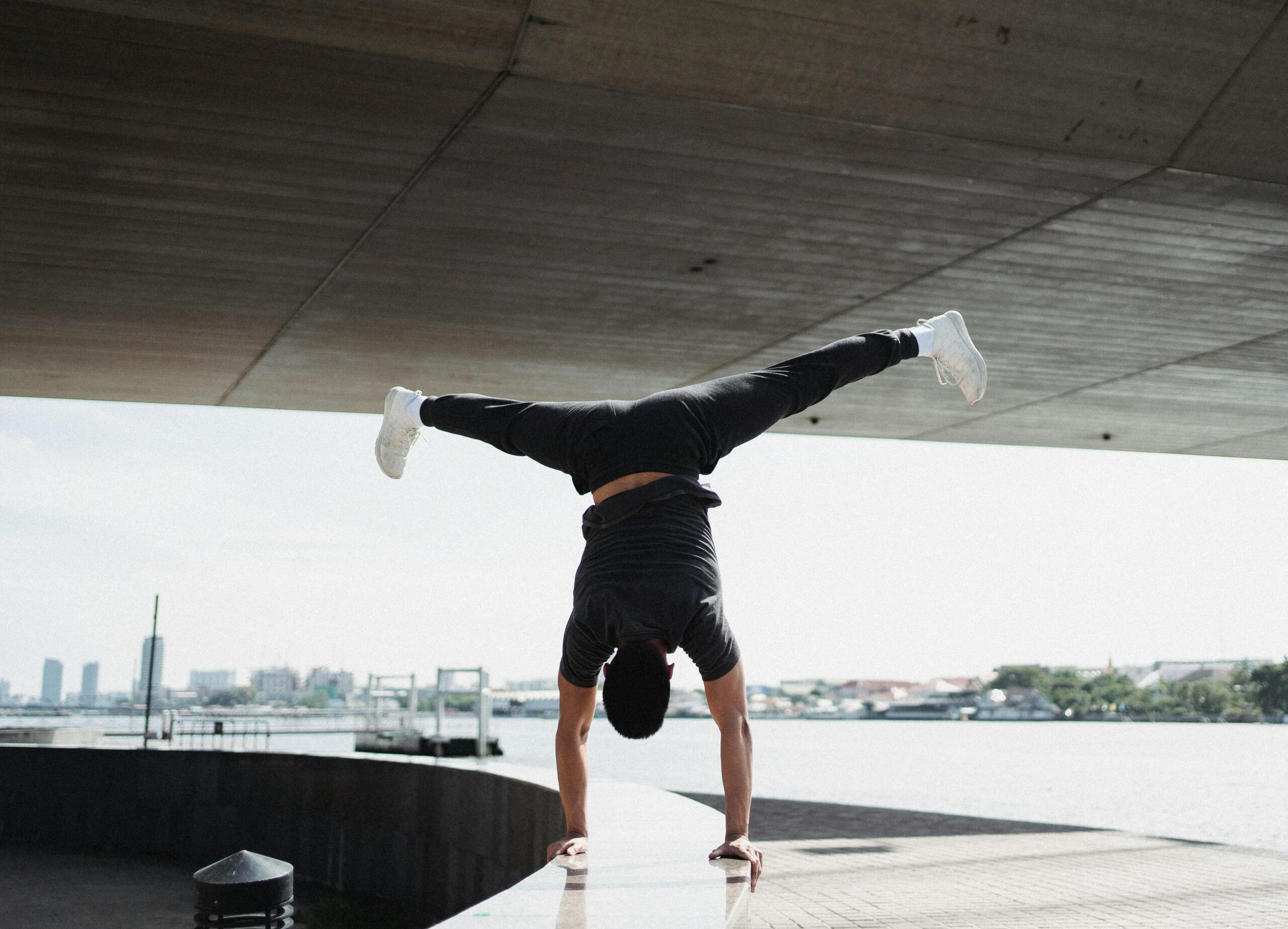
🚀 Advanced Concepts and Future Directions
Emerging technologies including wearable sensors and force plates provide increasingly sophisticated load distribution analysis. Real-time biofeedback during training allows immediate adjustments, potentially accelerating motor learning and load optimization.
Understanding load distribution principles empowers you to move through life with greater efficiency, reduced injury risk, and enhanced performance across all physical activities. This mastery isn’t achieved overnight but develops progressively through consistent attention to movement quality and thoughtful practice.
Your body possesses remarkable capacity to adapt and optimize when provided appropriate stimuli and recovery. By consciously applying load distribution principles, you tap into this adaptive potential, transforming how you move and expanding what’s physically possible throughout your entire lifespan.